Clone a website so it actually works — tabs, filters, lists, client-side transitions, motion, scroll — then also as a pixel-faithful freeze and a pixel-identical, editable React restore.
Point it at a site. UIForge's flagship is the Archive: it records the site's real code + every network response and replays them offline, so the original JavaScript runs against its own cached data — click a tab and content swaps, filter a list and it updates, exactly as the original, because it is the behavior. It also makes a pixel-faithful Freeze (real CSS/fonts kept) and a clean componentized React + Tailwind Restore with your content — keeping the site's real classes and compiled CSS byte-exact, and reaching sites behind Cloudflare or a login.








Three outputs from one site — behave, look, edit
Most tools give you a still. UIForge gives you the behavior first, then the look and the editable code:
| what it is | for |
|---|
⭐ Archive (uiforge-archive) | the complete behavior — the site's own code + every recorded response, replayed offline from a browsable, editable mirror (real files, real filenames — not opaque blobs) | a copy that works: tabs, filters, lists, client-side transitions, motion, scroll |
Freeze (uiforge-freeze) | a self-contained, pixel-faithful still — real CSS/fonts/assets kept, scripts stripped, time frozen | an exact offline still — and the oracle the rebuild is measured against |
Restore (uiforge-restore · -sourcemap) | editable source that renders pixel-identical — the real DOM componentized into React with classes kept byte-exact, or the site's real original source recovered when it shipped source maps | editing, developing, shipping with your content — without the fidelity drift |
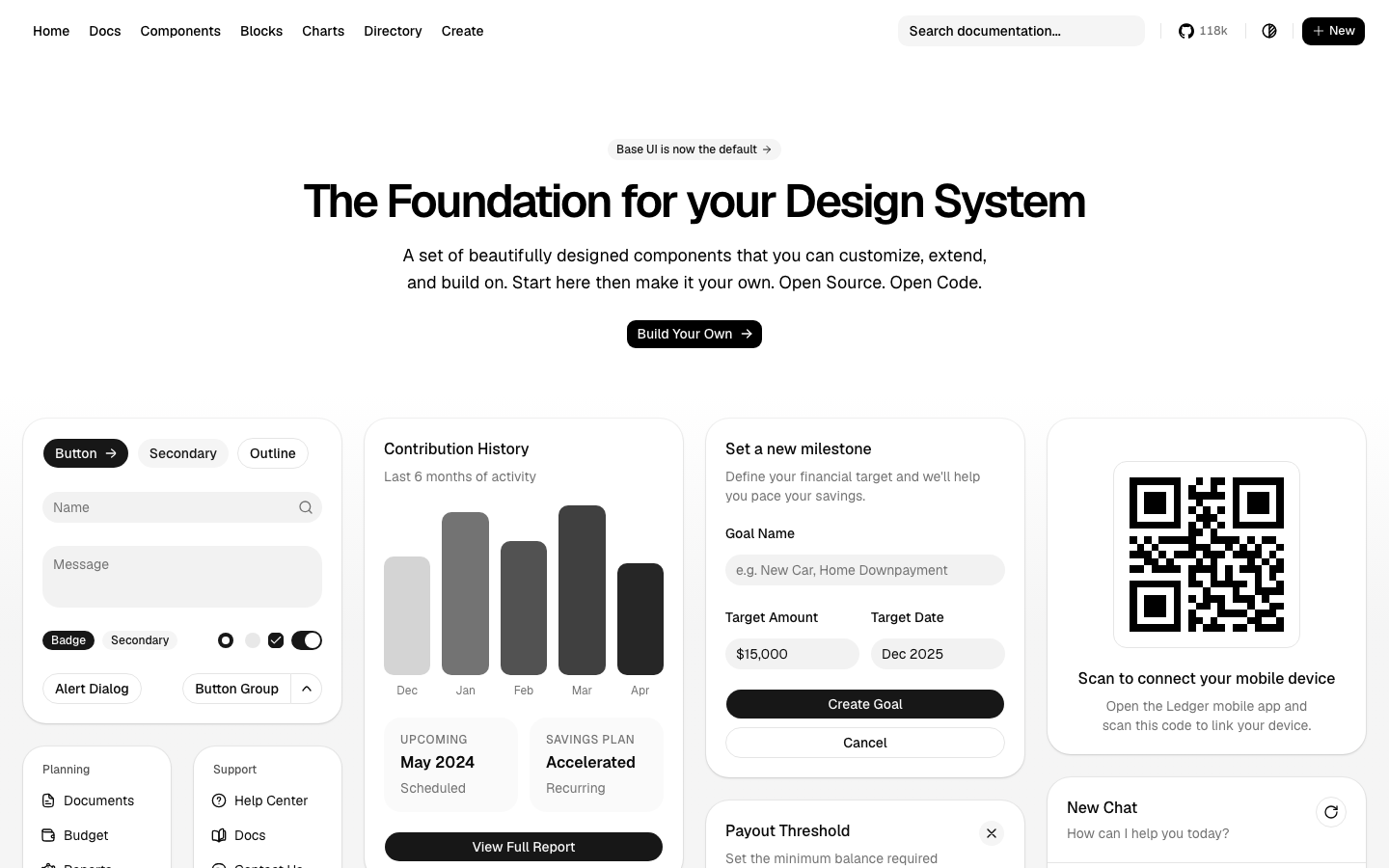
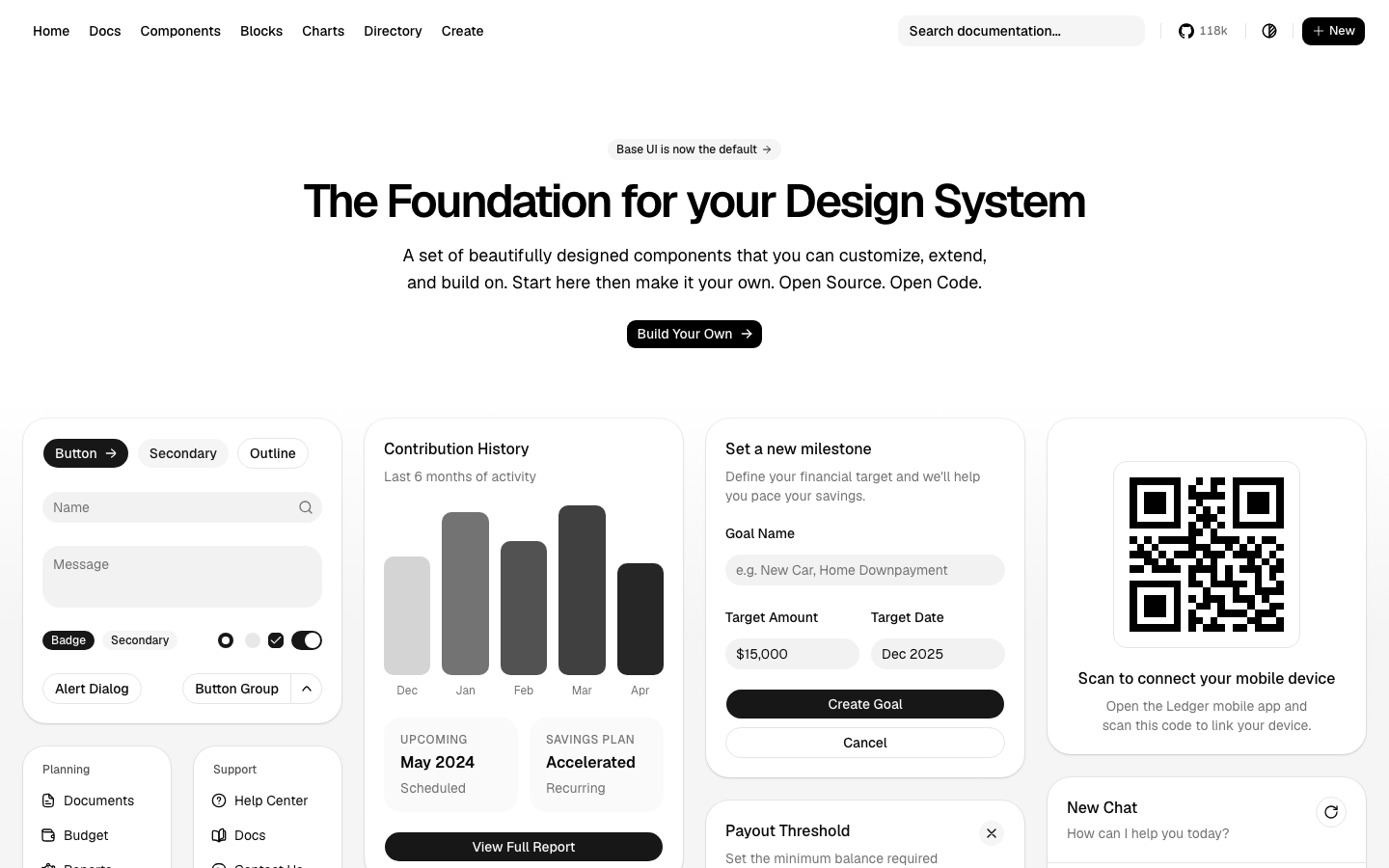
The archive runs the real JavaScript against cached data, so every interaction behaves exactly as the original — no reconstruction, because it is the behavior. (This is why it beats "Save As": a naive save of a modern app never records the XHR/API data the app fetches, so it opens as a broken shell — the archive records and replays that data.) The freeze renders identical to the live site (it is its CSS); the restore keeps the real DOM + real CSS, so it's pixel-identical by construction — verified: ui.shadcn.com restores to 0.00% pixel difference — and where a site ships source maps it recovers the actual original .tsx.
Restore it into editable code — that renders pixel-identical
Point Restore at the archive and get an editable React project that renders exactly like the original — because it keeps the real DOM, the real class strings (byte-for-byte), and the real compiled CSS. Fidelity is the default, not something chased with an LLM. Every result is proven by an offline pixel-gate against the freeze:
| site | restored as | pixel diff vs the original |
|---|
| ui.shadcn.com | React, classes kept verbatim | 0.00% — pixel-identical |
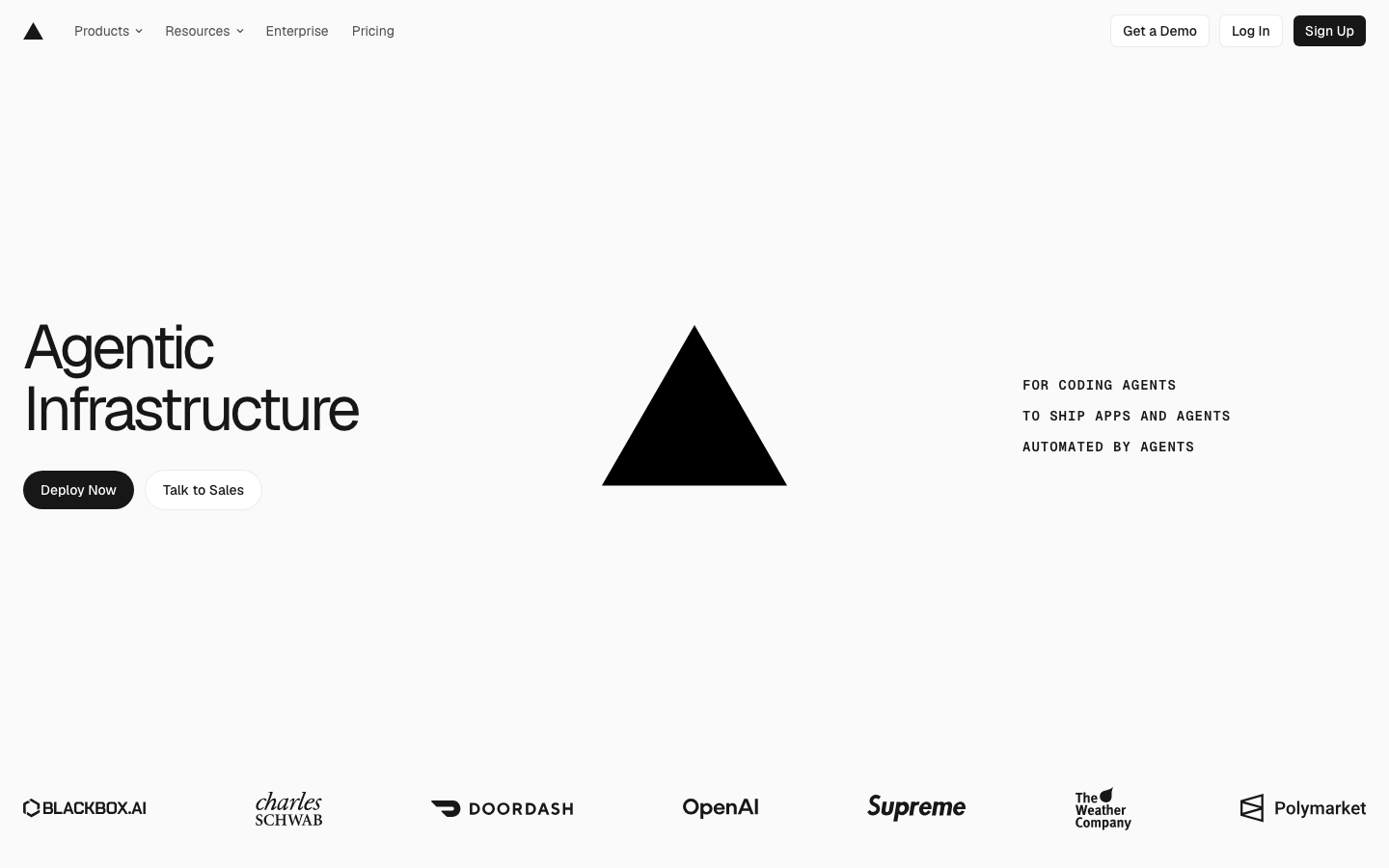
| vercel.com | ″ | 1.8% (only the WebGL canvas hero — it needs JS) |
| linear.app | ″ | 5% (a JS-state menu — recovered as real source by Tier A ↓) |
And when a site ships or leaks source maps, the top tier recovers its actual original source — real .tsx with the original names, comments, and types. linear.app → 421 real source files, including the exact MobileMenu.tsx (with its useState open-logic) that a static render can't reproduce. Two tiers, best-first, everything from the archive — offline:
/uiforge:clone ui.shadcn.com --restore
Cloned — and it actually works. Five flagship sites.
Each site below was archived and replayed offline by the plugin (uiforge-archive --explore). The GIFs are the clone running with no network — the interactions are genuine, driven by the site's own code against recorded data.

And each is pixel-faithful as a Freeze — original (left) vs freeze (right):
It clones motion and interaction too — not just a static snapshot

Install
Prerequisites: Claude Code, Node, and
Playwright for the rendering tiers (npm i -D playwright && npx playwright install chromium).
/plugin marketplace add TaewoooPark/UIForge
/plugin install uiforge@uiforge
Or locally: git clone https://github.com/TaewoooPark/UIForge.git && claude --plugin-dir ./UIForge.
Clone a site
The command — one command, three modes
/uiforge:clone <url│file.html> [--archive] [--restore] [--content path.md] [--explore] [--headed] [--profile dir]
| you want… | say | what it does |
|---|
| a copy that works / behaves | --archive, or "clone it so it actually works" | ⭐ records the real code + data → an offline replay where tabs/filters/lists/transitions work |
| editable source, pixel-identical | --restore (or --react), or "…for my product (product.md)" | real DOM → React with classes byte-exact + real source recovered from source maps — proven by pixel-gate |
| a pixel-faithful still | (default) / --freeze | a self-contained freeze |
Or just say it — the agent picks the mode:
Clone vercel.com so it actually works — the tabs and pricing should switch.   → Archive
Make a site with the same design as stripe.com, but for my product (product.md). → Restore
Give me an exact offline copy of linear.app's landing page.                     → Freeze


 @obra