
Content
Plugin
showreel
Turn a URL + CSS selectors into a finished visual — annotated screenshots, flow GIFs, smooth-motion recordings and terminal captures. One command each. The agent never guesses pixels; every output is pixel-verified before it's saved.

Plugin Signal53/100Fair
maintained66
capable23
documented100
adopted23
Install on Claude Code
> /plugin marketplace add HeyRenan/showreel> /plugin install showreel@showreel
Stats
11
Stars
1
Forks
Maintained
Maintenance
JavaScript
Language
MIT
License
2mo ago
Last commit
3mo ago
Created
Repo: HeyRenan/showreel
What's inside
Skill(2 skills)
/guideOpen the showreel visual setup guide, or walk the user through installing the plugin's dependencies. Use when the user asks how to set up showreel, install its dependencies, pre-warm the capture motor, install vhs, or says "showreel guide", "setup guide", "como instalar o/showreelUse when the user wants to explain or document something visually — annotated screenshots, feature demos, flow GIFs, terminal recordings, before/after comparisons — or says "take a screenshot", "record this flow", "make a gif of", "show how this works", "annotate this page",
README
Showreel
Turn a URL + CSS selectors into a finished visual — annotated screenshots, flow GIFs, smooth-motion recordings and terminal captures. One command each. The agent never guesses pixels; every output is pixel-verified before it's saved.



Showcase
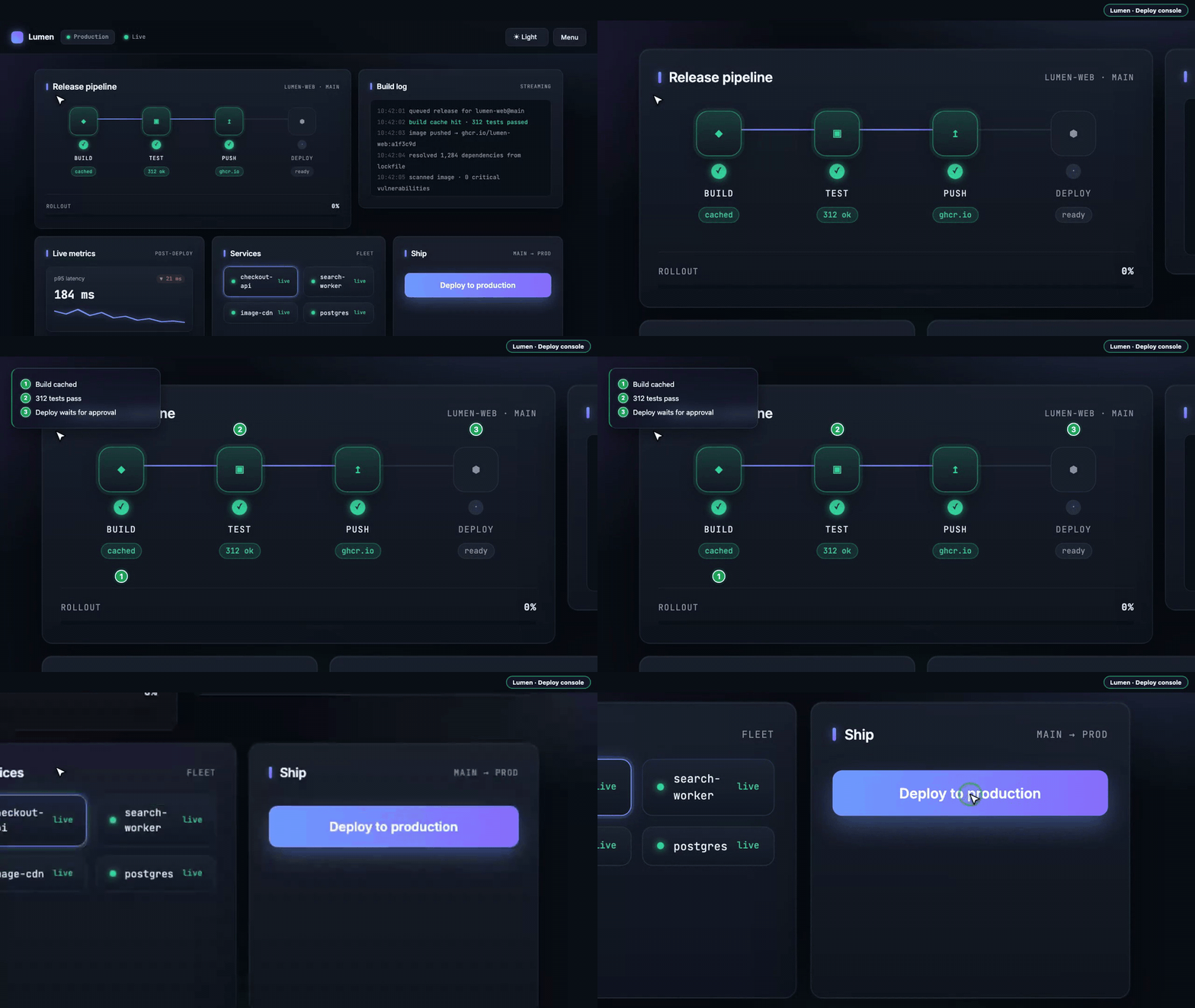
One pass, one real flow — Showreel walks a deploy: read the pipeline → hit the health gate → auto-rollback → re-run → ship. Camera, marks + legend, spotlight and a rollout bar, each in service of the step, never decoration. Generated entirely by the plugin against the bundled demo page. (click to play the full MP4)
Every image in this README was generated by Showreel itself, against the bundled "Lumen" demo page. Run the same commands, get the same files.
What it is
A Claude Code plugin for visual documentation — explaining a change, a bug, a feature flow, a UI/landing-page showcase or a tutorial step with a picture instead of a paragraph. It's built to inform, not entertain: for the devs and stakeholders who need to understand how something works, so every artifact stays legible and proportional to its content: no invented drama, no filler — but as rich as clarity demands, because restraint is against noise, never against capability.
You point it at a page and name elements by CSS selector. Showreel measures the DOM, draws the annotation exactly on target, and validates the result before exit — a bad capture is an error, never a shipped file. No screenshot → eyeball → retry loop, no pixel coordinates, no tokens burned guessing.
- Self-contained — bundles its own headless Chromium; no browser MCP, no credentials, no telemetry. The only network is rendering the page URL you ask for, plus a one-time Playwright + Chromium download on first run (from npm and Microsoft's CDN; pre-warm it with
preflight.sh). - Deterministic — same selectors in, same pixels out. Placement is computed, not guessed.
- Cheap —
--batchrenders many captures in one browser launch.
Quick start
# install
claude plugin marketplace add HeyRenan/showreel
claude plugin install showreel@showreel

# one-time: check the machine + pre-warm the motor (~90MB Chromium, once)
bash ~/.claude/plugins/showreel/showreel/scripts/preflight.sh
node ~/.claude/plugins/showreel/showreel/scripts/ensure-deps.mjs
Restart Claude Code, then invoke /showreel and describe what to capture. Or run a script directly:
# annotate one element, self-validated
node scripts/prove.mjs https://example.com ".cards .card:first-child" out.png --label "Service card verified"
/showreel:guide opens a visual setup guide. Local-folder install and full paths in INSTALL.md.
Zero config — just a URL
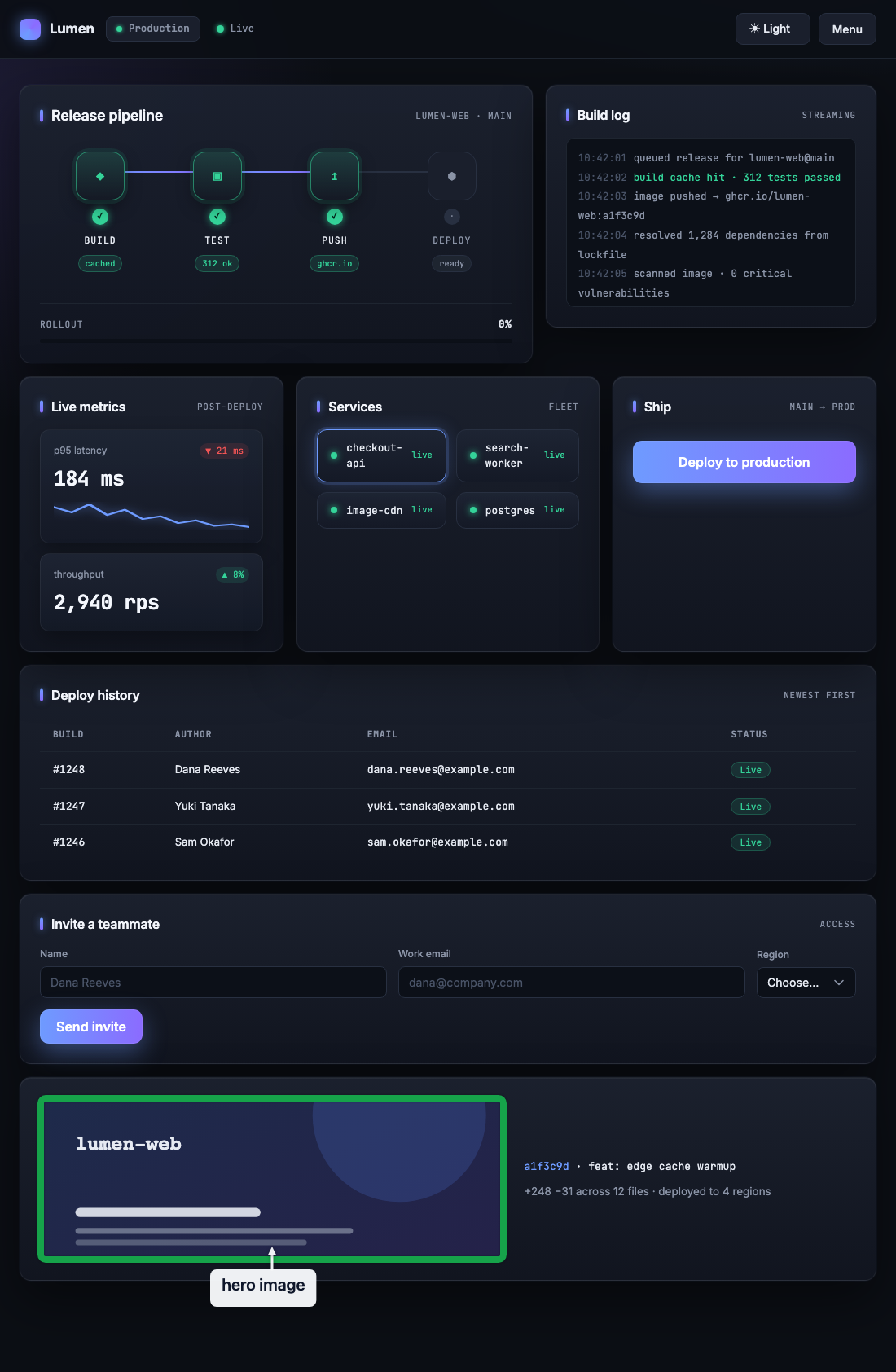
Don't know the selectors? Point Showreel at a page and it finds the salient elements itself — heading, primary action, navigation, metrics, hero, cards — annotates each with a role-based note, and runs the same vcheck gate as prove. One browser launch.
node scripts/auto.mjs https://your-app.example.com
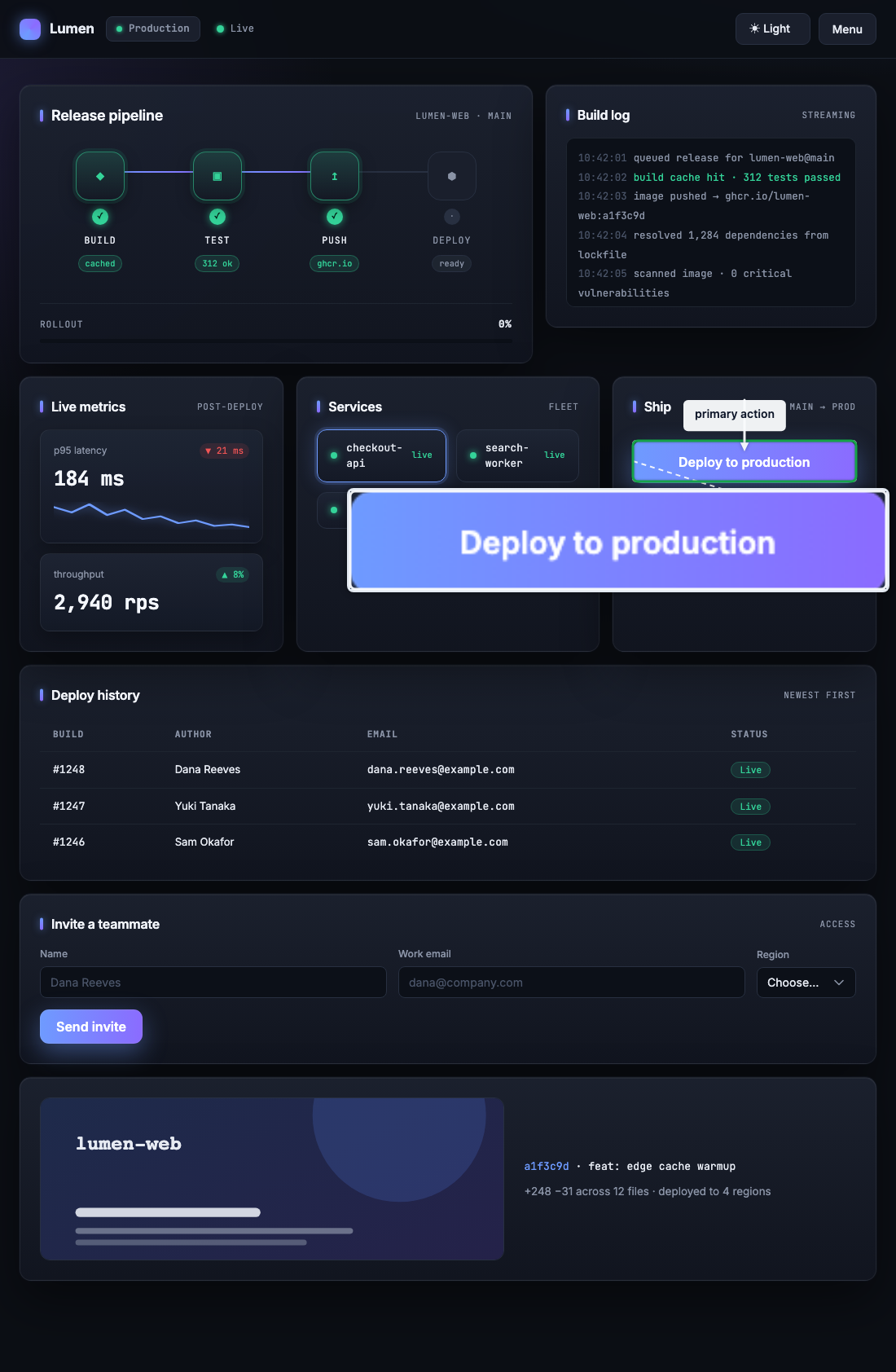 | 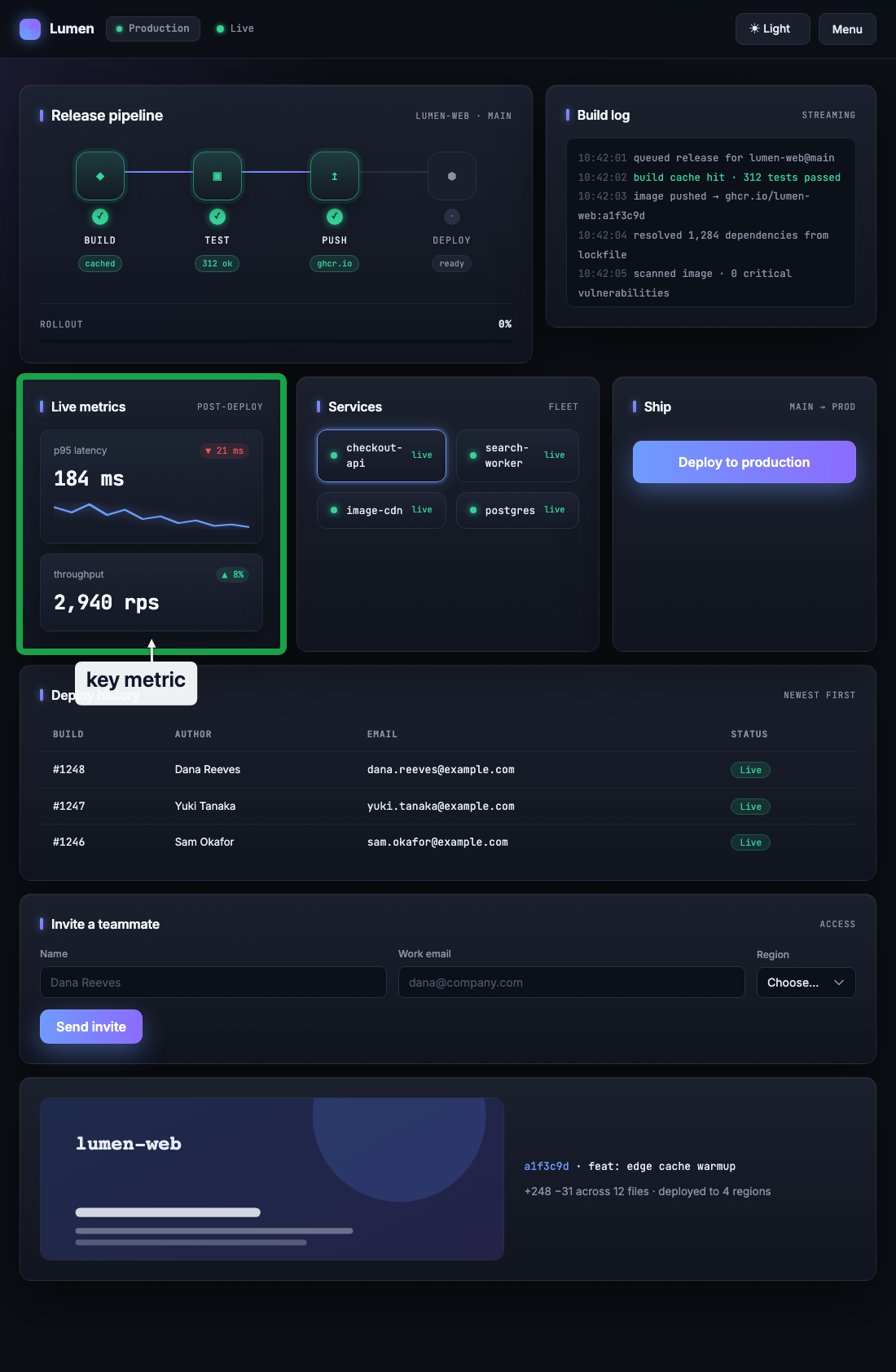 |
| primary action — discovered + zoomed | key metric — discovered |
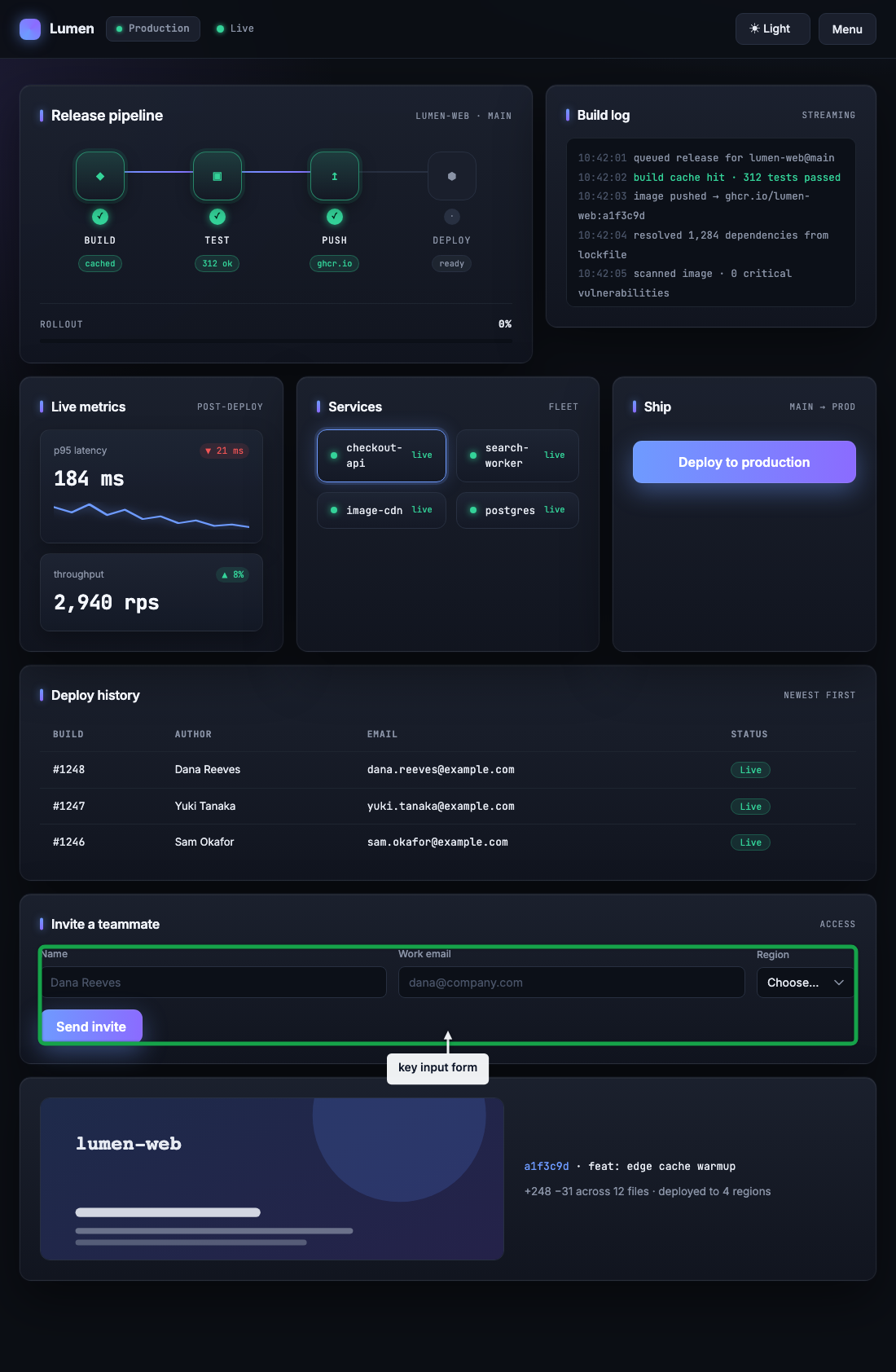 |  |
| key input form — discovered | hero image — discovered |
All four shots came from one auto.mjs command against the bundled demo page — not a selector written. It prints a PASS line per element, then AUTO <k>/<n> PASS, plus an index.json manifest. A discovered element that vanishes before capture (SPA re-render, themed swap) is a soft skip, never a failure.
Share-ready frames
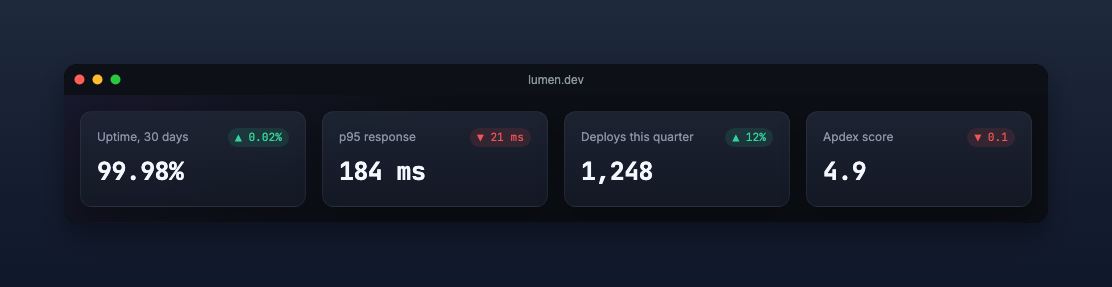
Wrap any capture in a browser-window or card frame — shadow, rounded corners, gradient background — and export to a social aspect ratio. A raw screenshot becomes something you can drop in a slide, a README, or a launch post.
node scripts/beautify.mjs shot.png --url "your-app.com"        # browser window (default)
node scripts/beautify.mjs shot.png --ratio 16:9 --frame card   # social card
What it can do
Every capability, one command each. All scripts live in showreel/scripts/. The agent always speaks in selectors + text, never pixels.
| Capability | Script | What you get |
|---|---|---|
| Auto (URL only) | auto.mjs | Discovers the salient elements itself — heading, primary action, nav, hero, metrics, cards — role-based notes, same vcheck gate. One launch; writes PNGs + index.json. No selectors. --max N. |
| Annotated proof | prove.mjs | DOM-exact rectangle + callout + arrow, pixel-verified (vcheck) — exits 0 only on PASS. Flags: --circle, --blur "<sel>", --zoom, --batch jobs.json. |
| Annotation primitives | demo.mjs | One concept per image: rect, circle, arrow, badge, blur, zoom, callout, label. --batch = 8 captures in one launch. |
| Flow recording | rec.mjs | Narrated GIF/MP4 from JSON steps — cursor motion, ripples, scrolling, narration modals, step stamps. The hero GIF above is one call. |
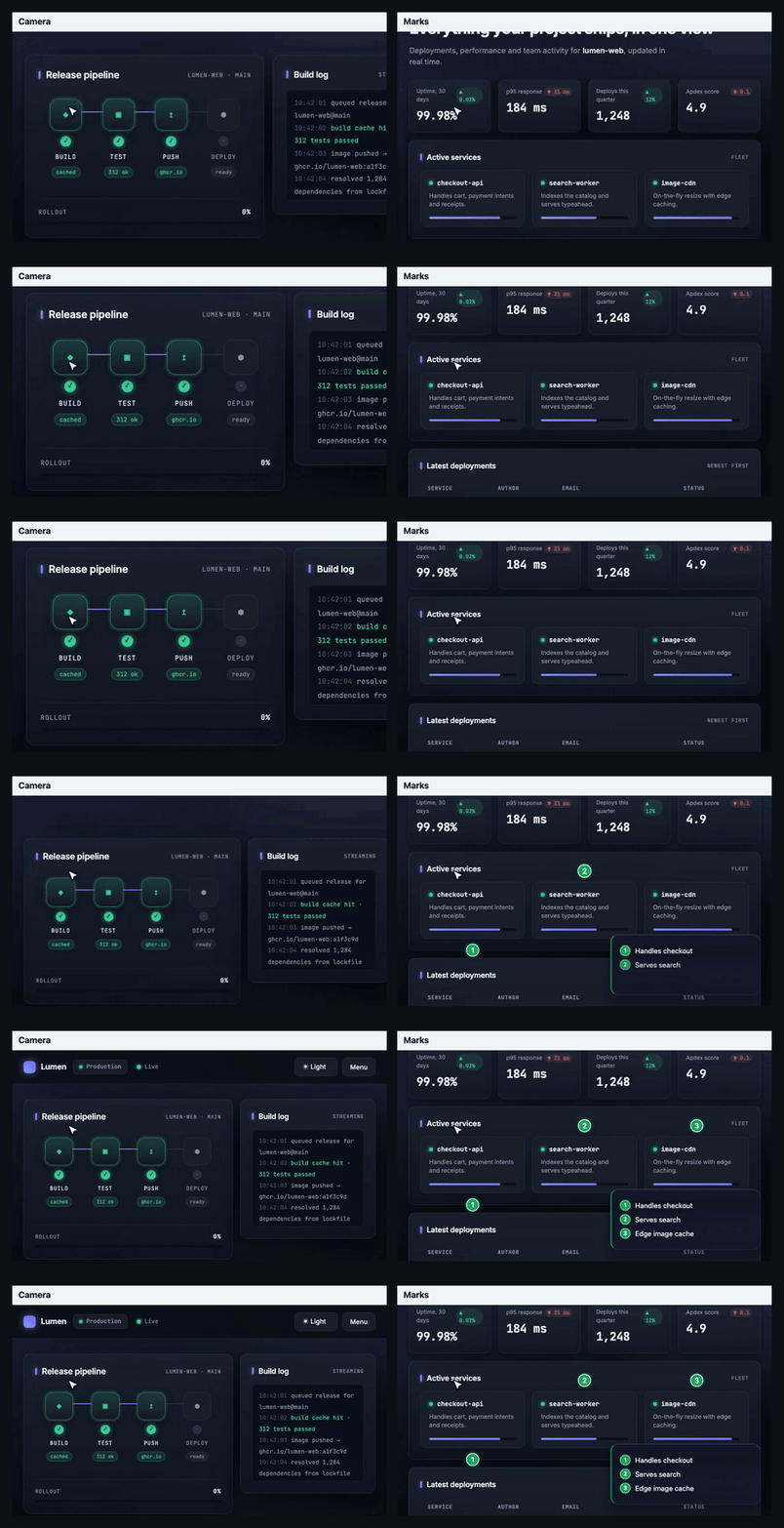
| Viewport camera | rec.mjs | Real viewport move that keeps a longer flow legible: page glides + scales under an animated transform. camera frames an element, follow chases the cursor, inset is a magnifier loupe. |
| Spotlight / slow-mo / auto-annotate | rec.mjs | spotlight dims all but the target; per-step speed slows an animation; --auto-annotate outlines a bare click/fill for free. |
| Live elements | rec.mjs | A glossary/modal with an id becomes live — later live steps append/update/recolor/replace/remove rows in place, no rebuild, no blink. Per-item colors, theme-matched text. |
| Offline render | rec.mjs --offline | Renders on the page's virtual clock — reading dwells collapse, text-heavy takes finish in a fraction of the time. Best for static/text takes; motion bursts (confetti, sparkline) require a realtime take. |
| Terminal recording | tape.mjs | CLI proof via vhs: JSON steps → .tape → GIF. The preflight GIF below is one call. |
| Before/after compare | compose.mjs, lh-ba.sh | Two PNGs or two GIFs side by side with labels. lh-ba.sh runs real Lighthouse on both branches. |
| Size optimizer | shrink.mjs | Re-encodes gif/png with no visible quality loss; --target-kb walks a quality ladder. Every image here went through it. |
| Share-ready frames | beautify.mjs | Wraps any PNG in a browser-window / card frame — shadow, rounded corners, gradient background, and --ratio 16:9|9:16|1:1 social presets. |
| Tight crop | shot.mjs | Just the element, no annotation. |
Recording: how steps work
rec.mjs takes JSON steps — each names an element and what to do. The script owns all the motion.
node scripts/rec.mjs <url> --steps-json '[
 {"click":"#menu","note":"Drawer opens","badge":1,"screen":"Dashboard"},
 {"scrollTo":".cards","rect":true,"glide":true,"note":"Active services","badge":2},
 {"fill":"#email","text":"dana@example.com"},
 {"camera":{"sel":".kpis","zoom":1.3},"note":"Framing the KPIs"},
 {"click":"#deploy","follow":1.6,"note":"Camera chases the cursor"}
]' out.gif
56 step keys (unknown keys rejected up front):
- actions —
click, fill, text, select, option, scrollTo, scrollIn, to, hide - annotation —
note, arrow, badge, rect, circle, marks, glossary, inset, modal - camera / motion —
camera, zoom, follow, glide, speed - emphasis —
spotlight, blur, redact, highlight, pulse, ripple, shake, glow, flash - state / data —
checkmark, typeon, reveal, orbit, kenburns, progress, countdown, countup, sparkline, confetti, trail - live —
live(mutate aglossary/modalin place across steps — append/update/recolor/replace/remove) - chrome / timing —
screen, topbar, bottombar, wait, delay, fade, stagger, accent - per-effect knobs —
size, dur, count, intensity
Author fast: --dry resolves every selector against the live page in <1s ([ok]/[MISS] per step, no recording) — fix misses, record once. --pace fast trims holds ~45% for drafts. --contact-sheet writes a tile of ~24 frames so the take reviews itself.
See each one
Every feature, demonstrated — each image generated by the plugin against the demo page.
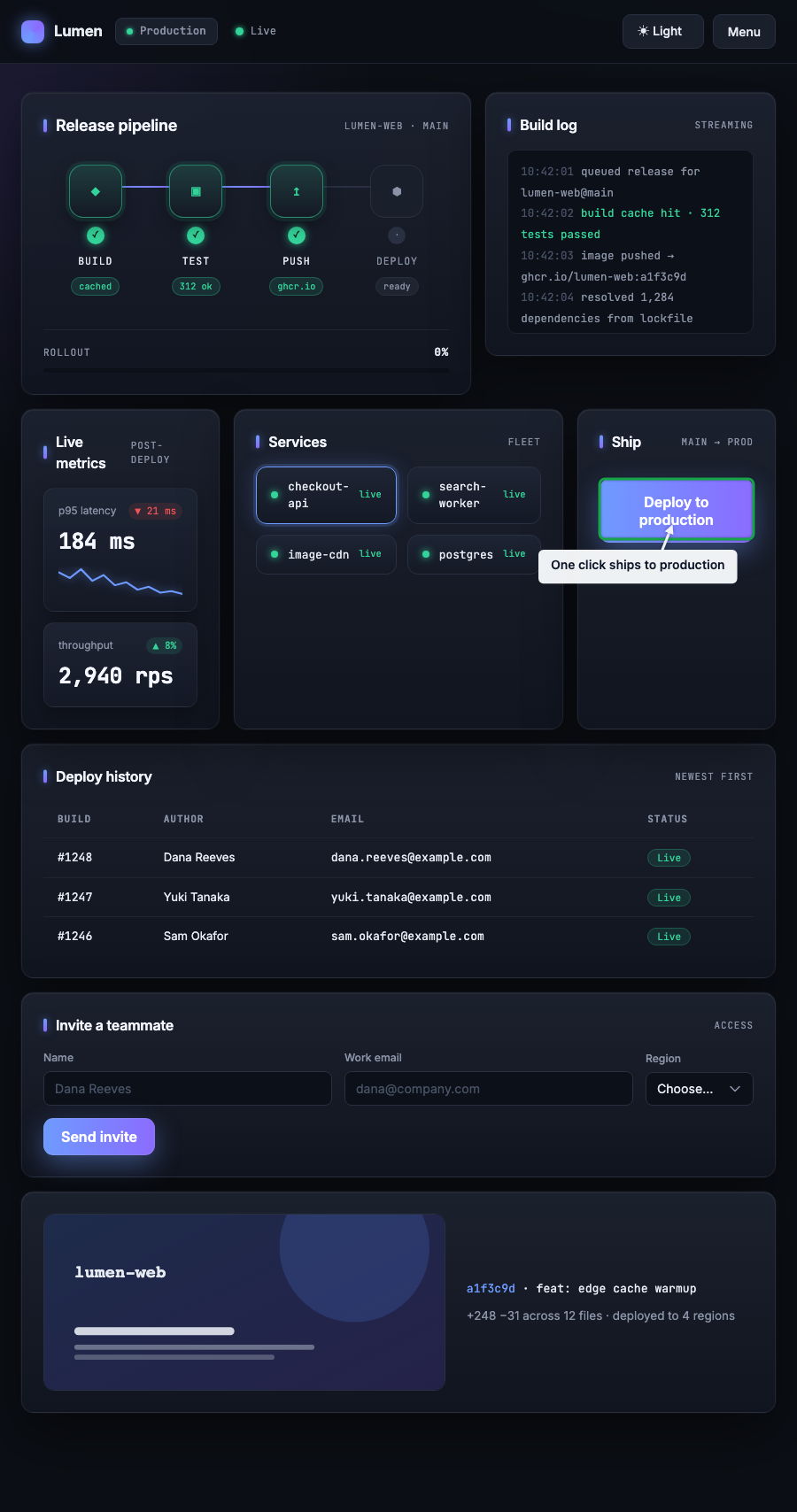 | 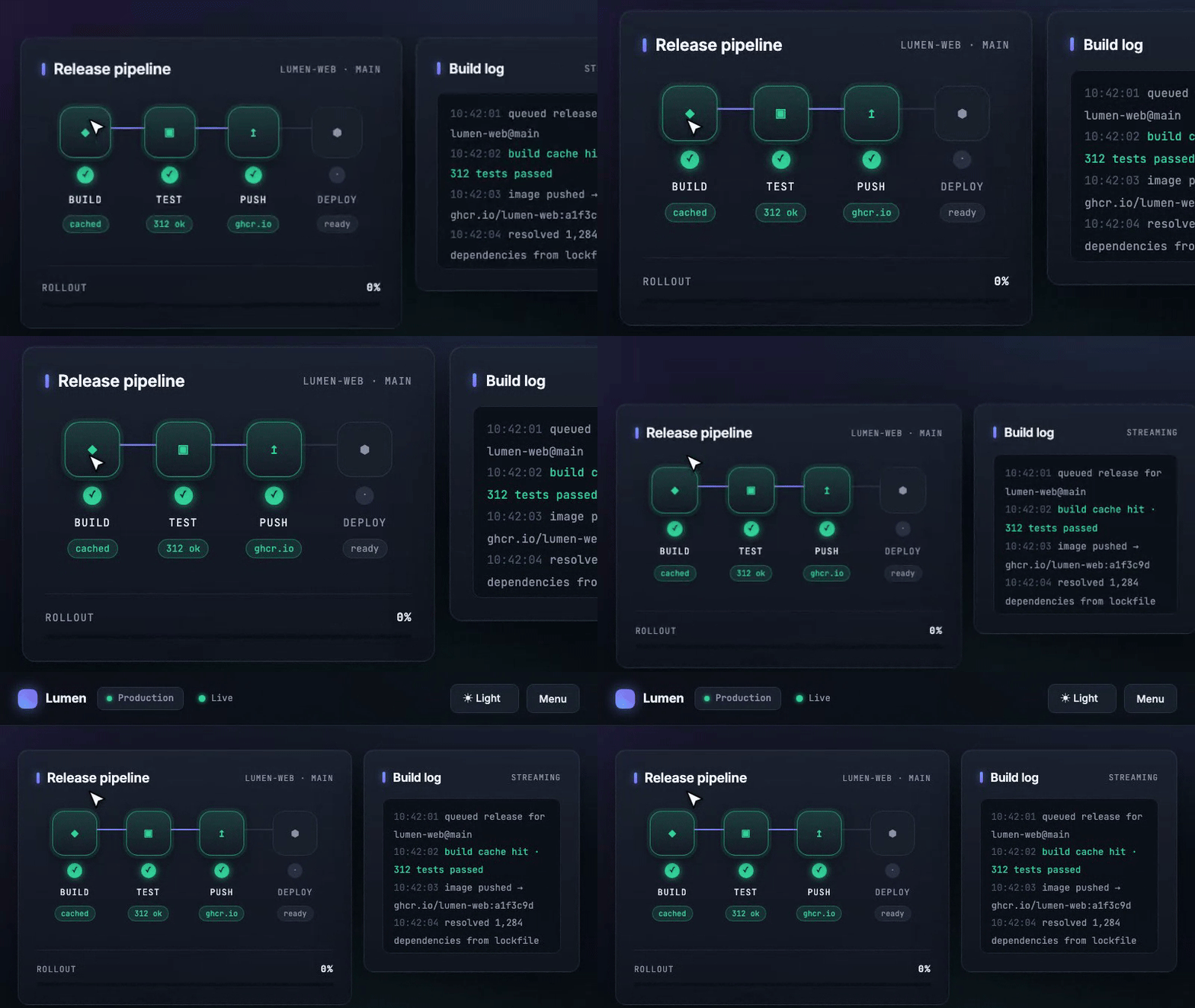 | 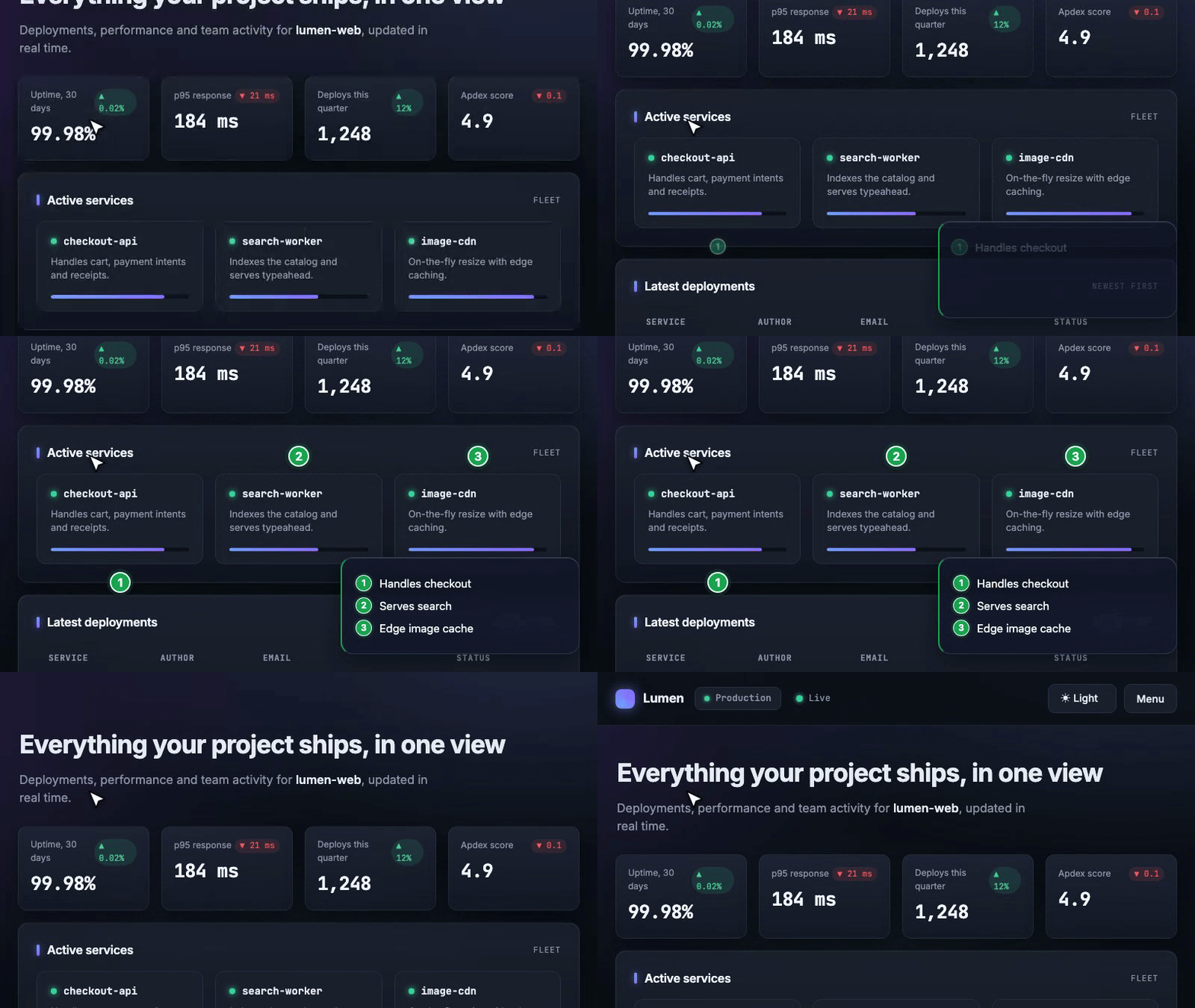 |
| prove — annotated proof | camera — viewport move | marks — sub-badges |
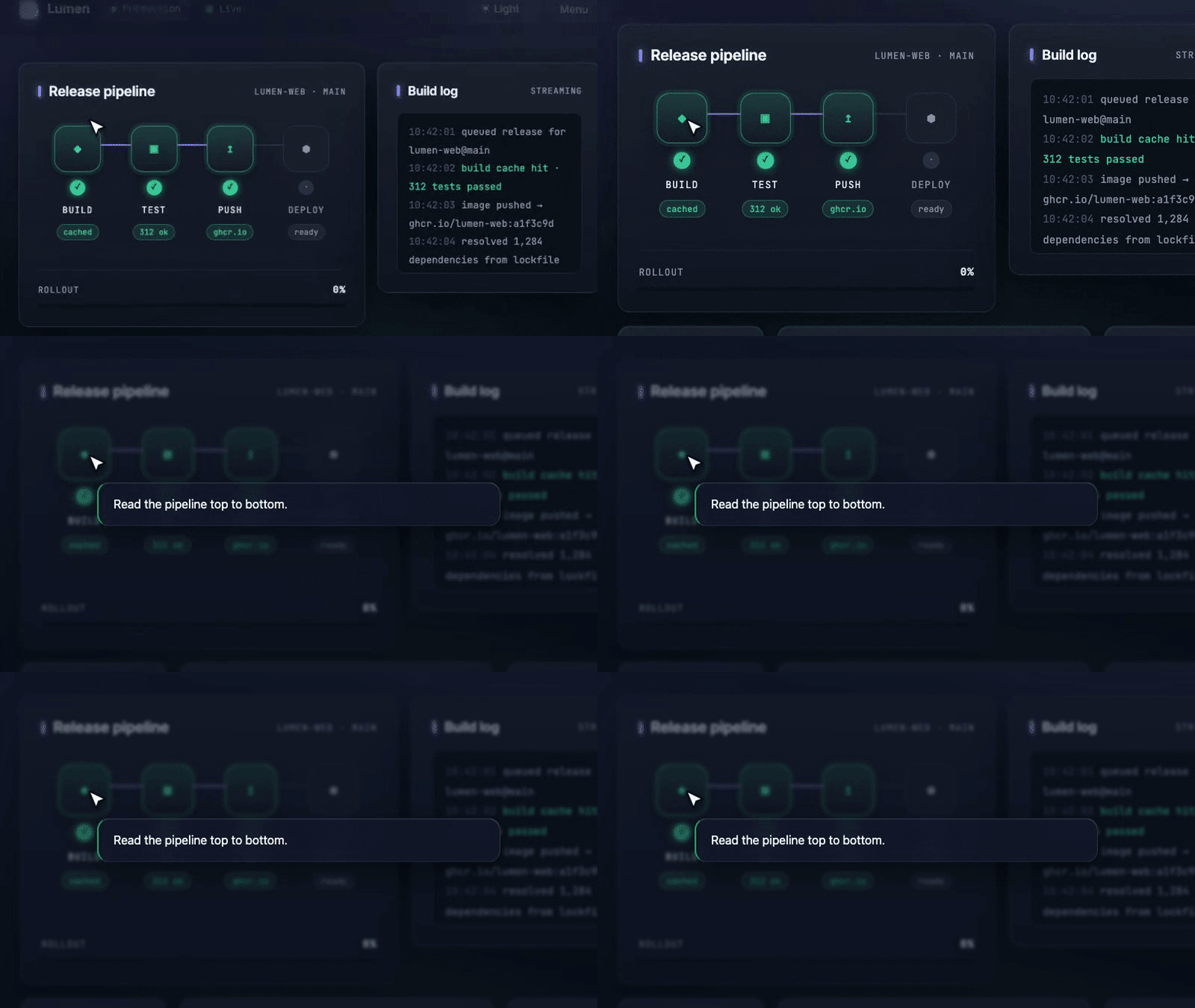 | 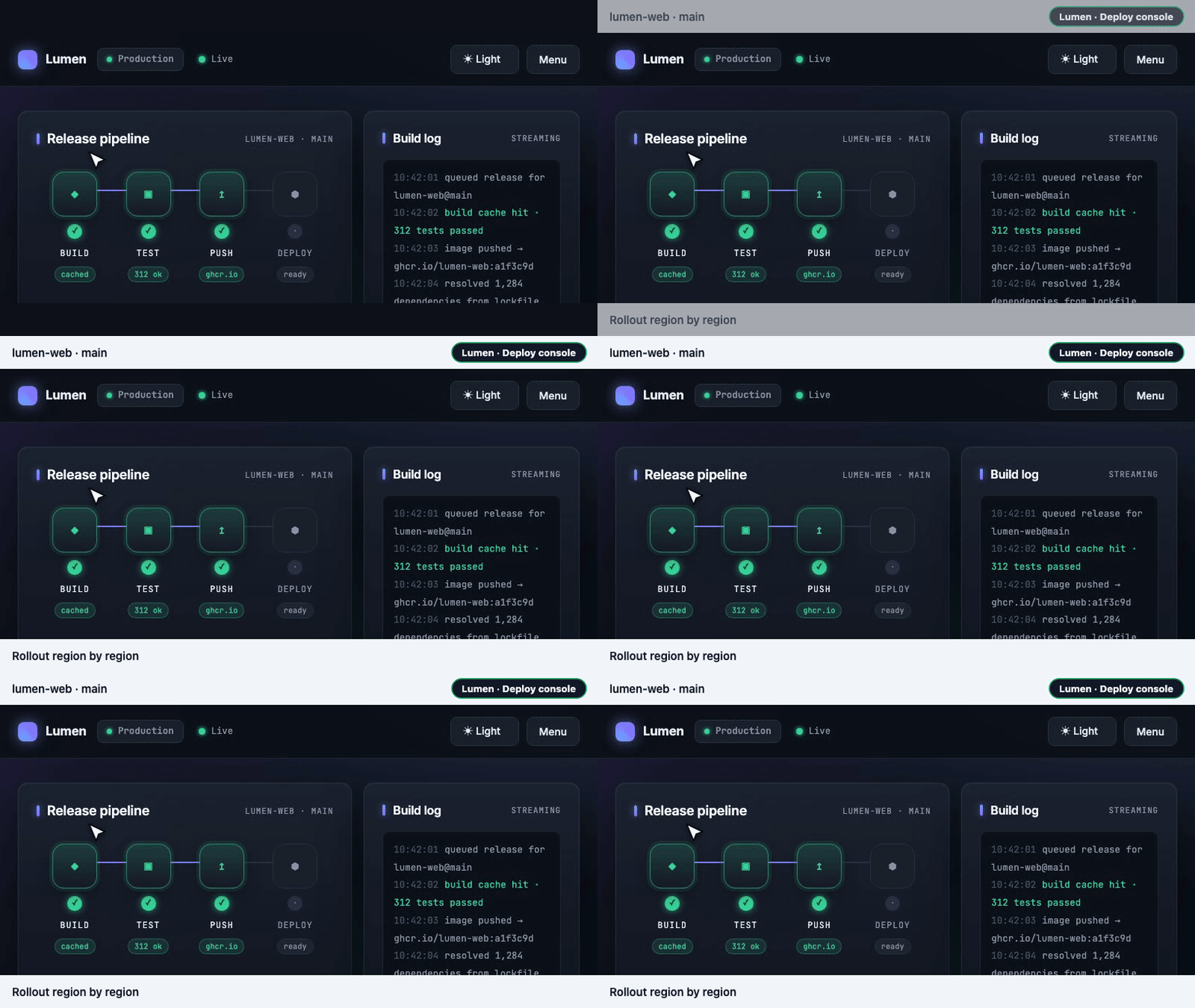 | 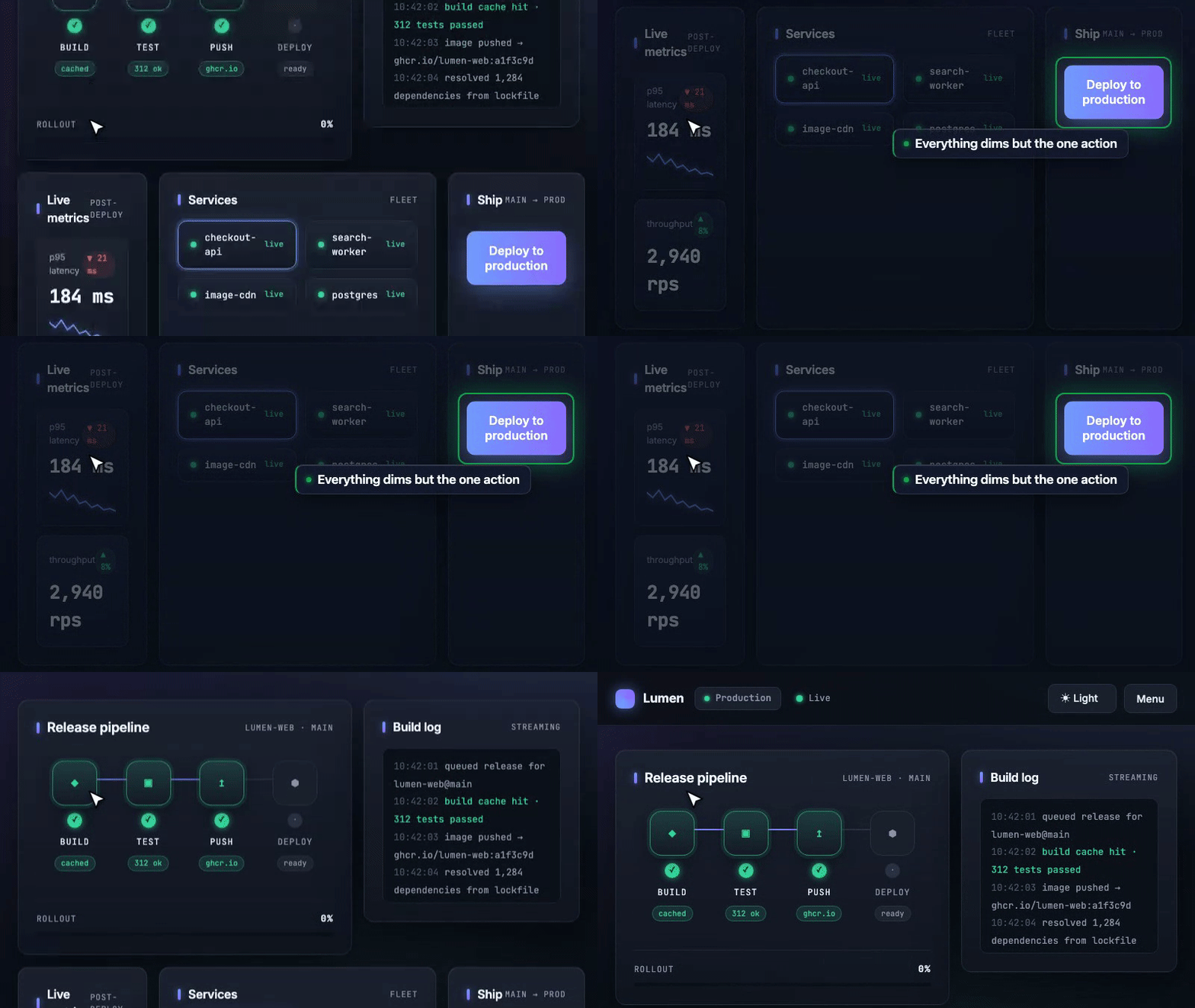 |
| modal — narration | bars — top/bottom context | spotlight — dim all but target |
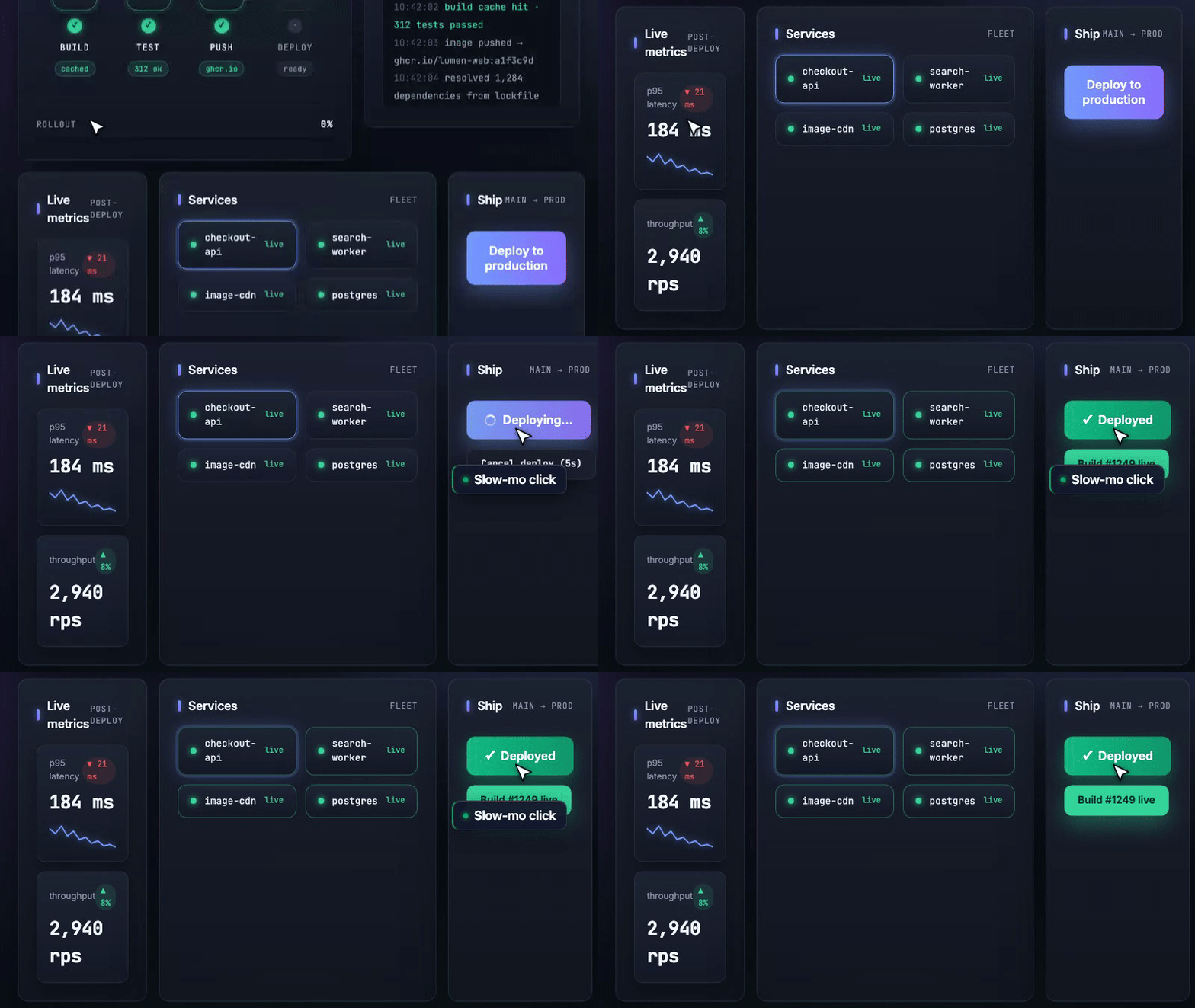 | 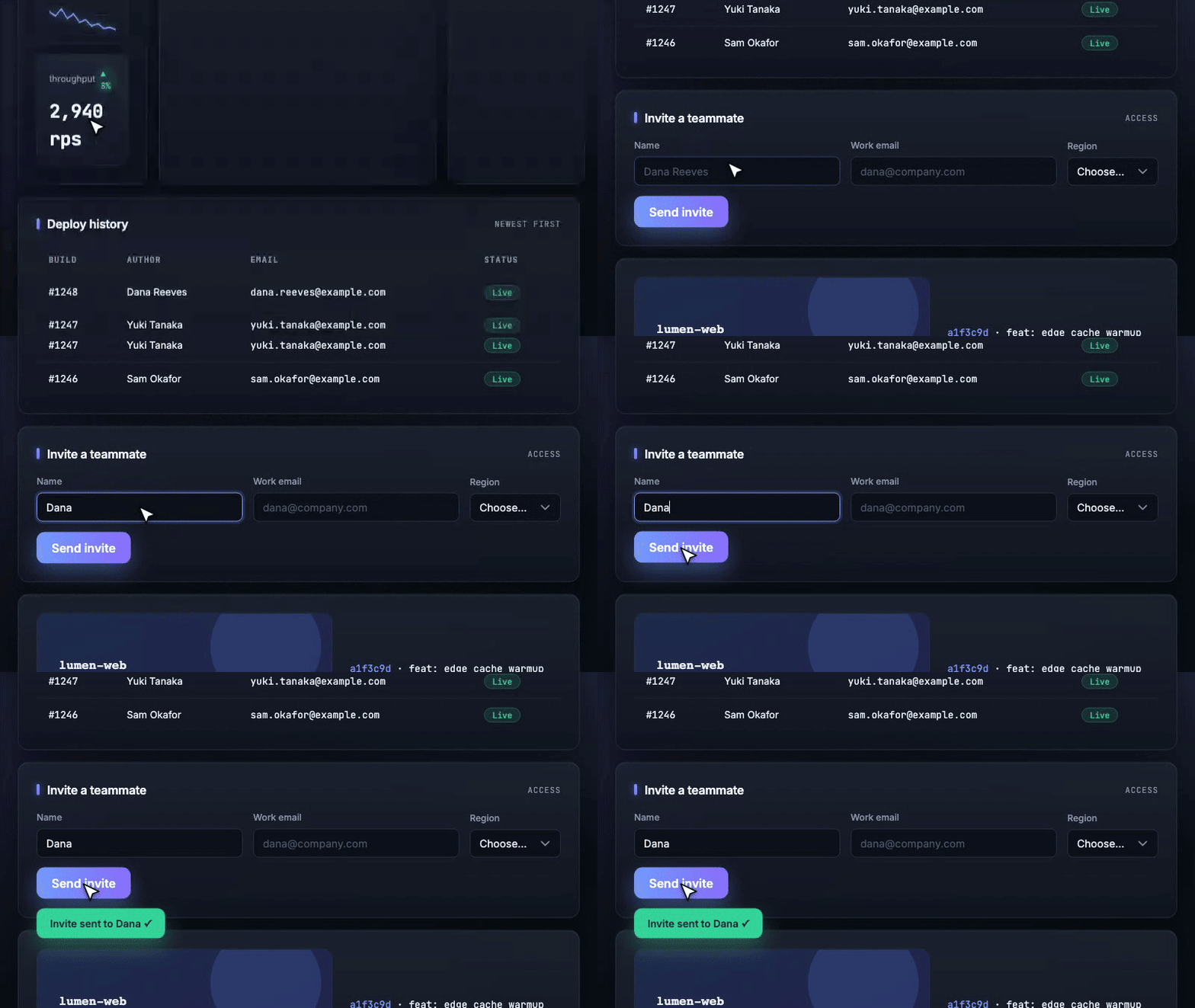 | 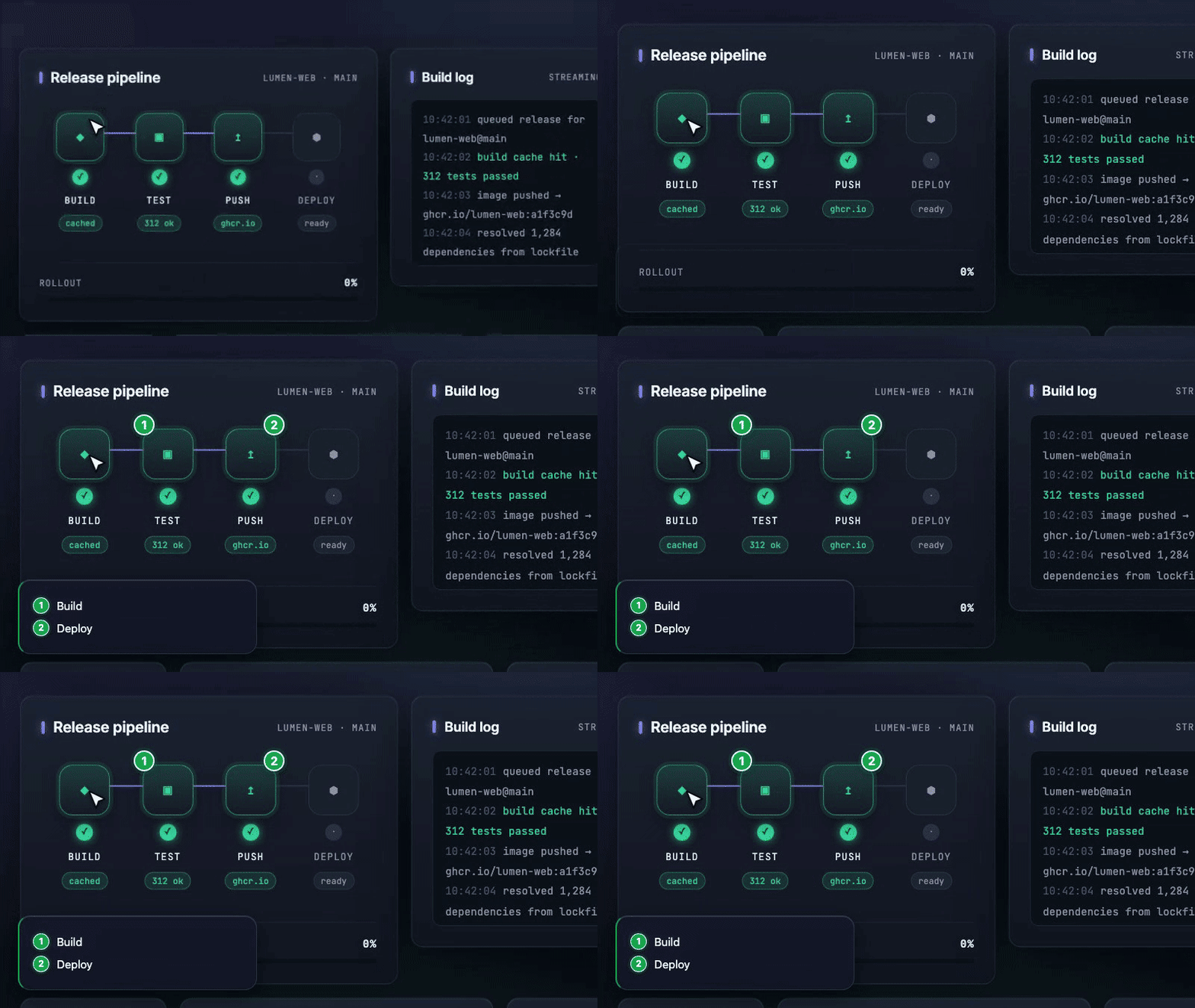 |
| speed — per-step slow-mo | auto-annotate — free outline | stamp — step counter |
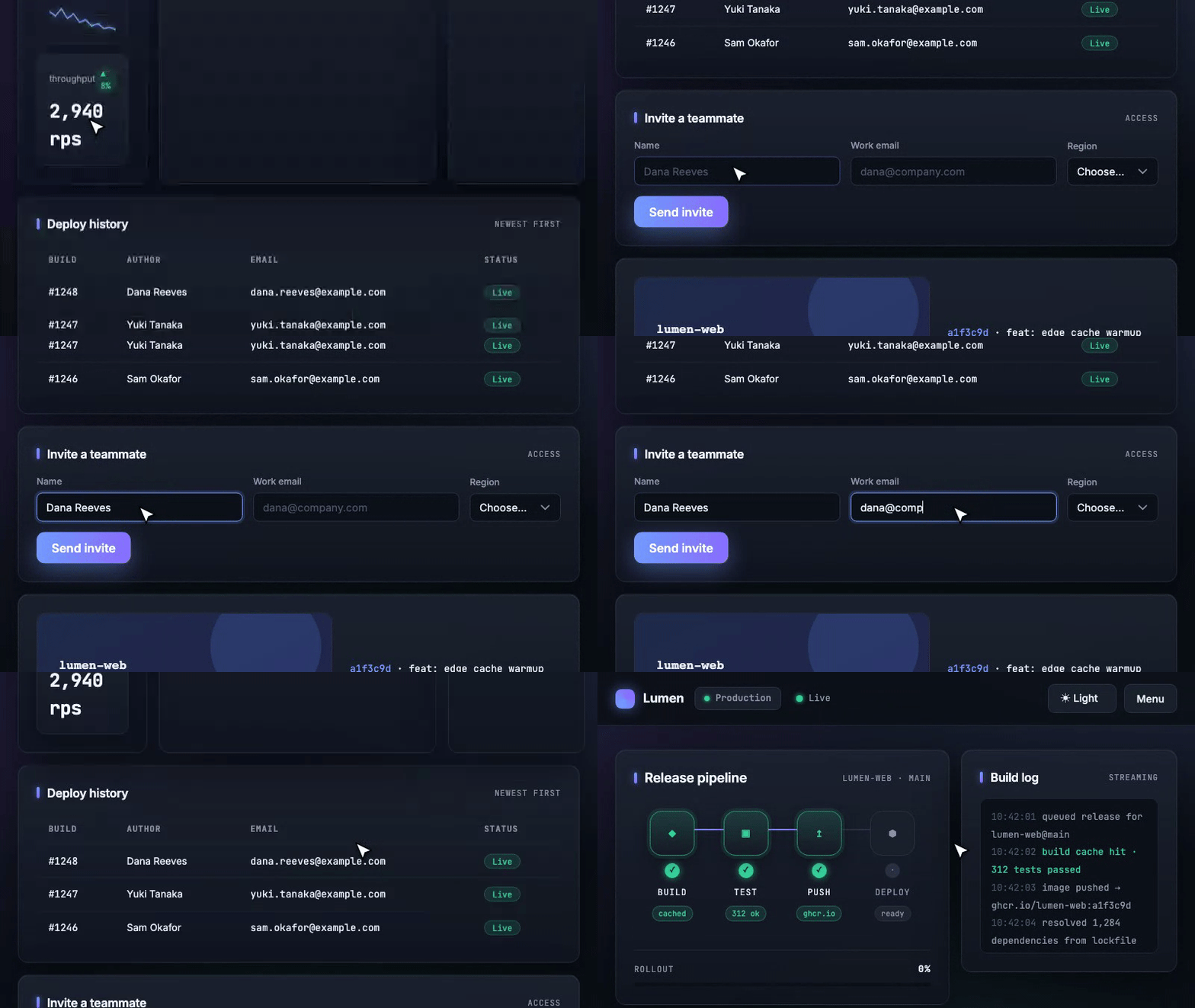 | 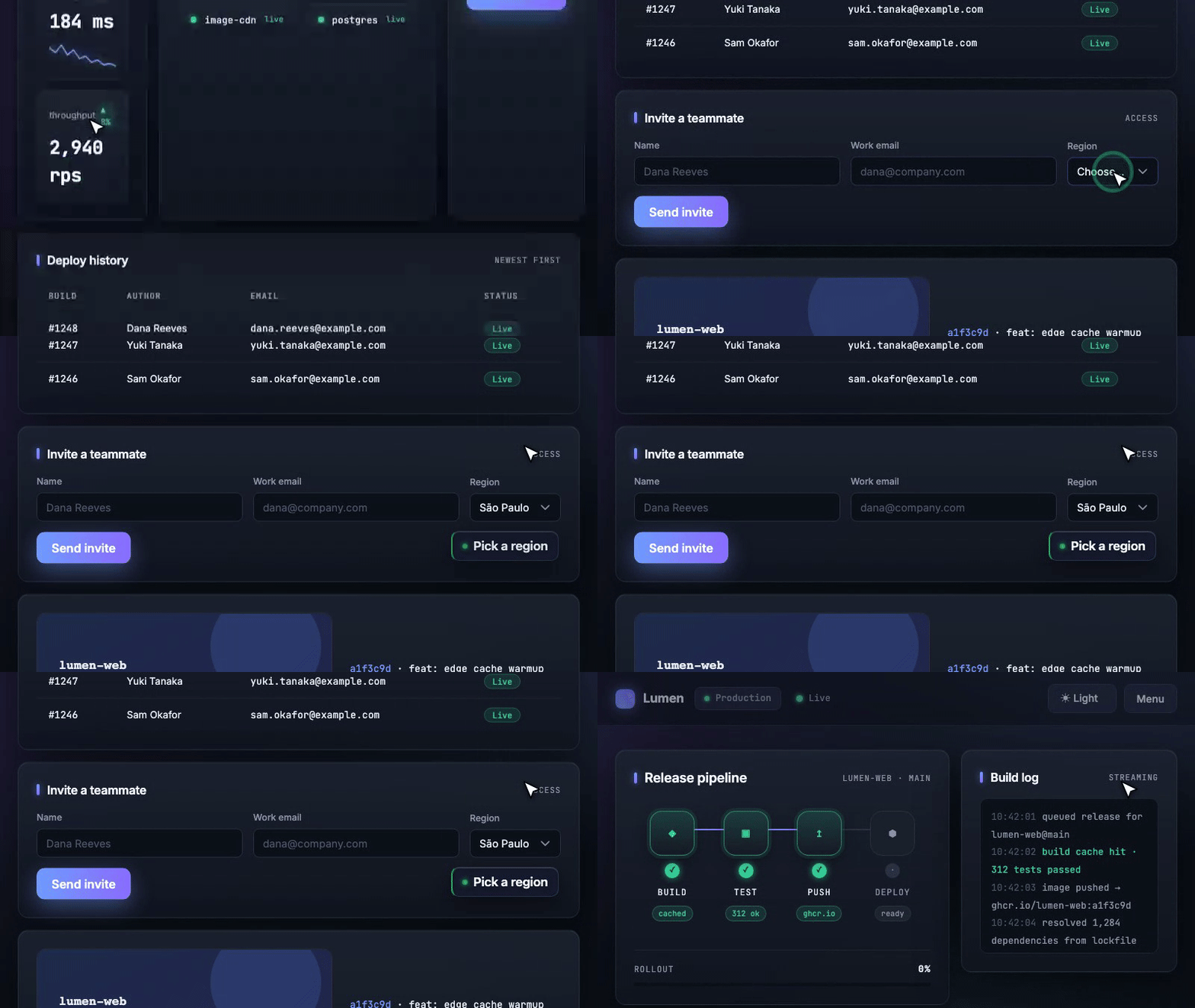 | 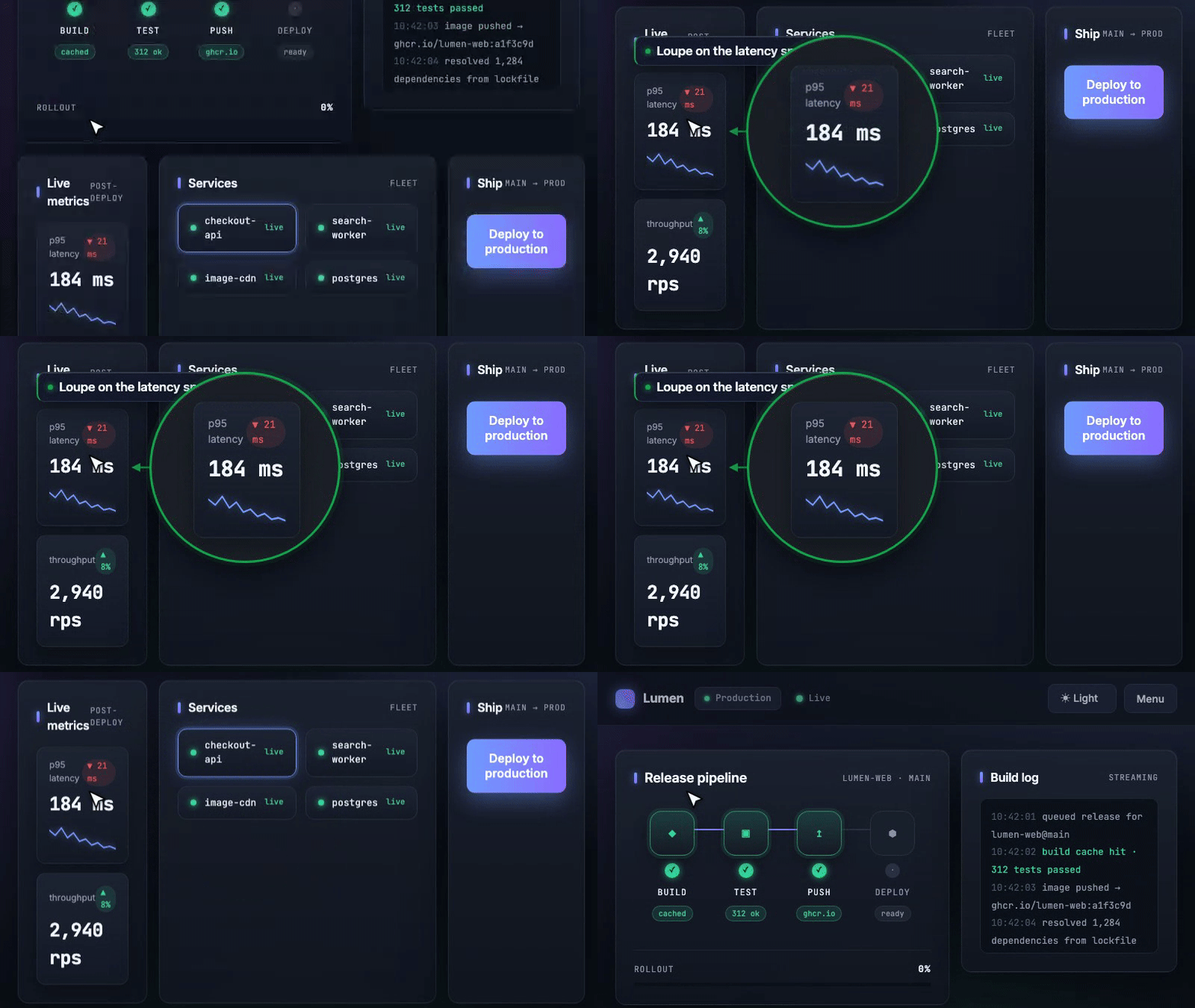 |
| fill — typed input | select — dropdown pick | inset — magnifier loupe |
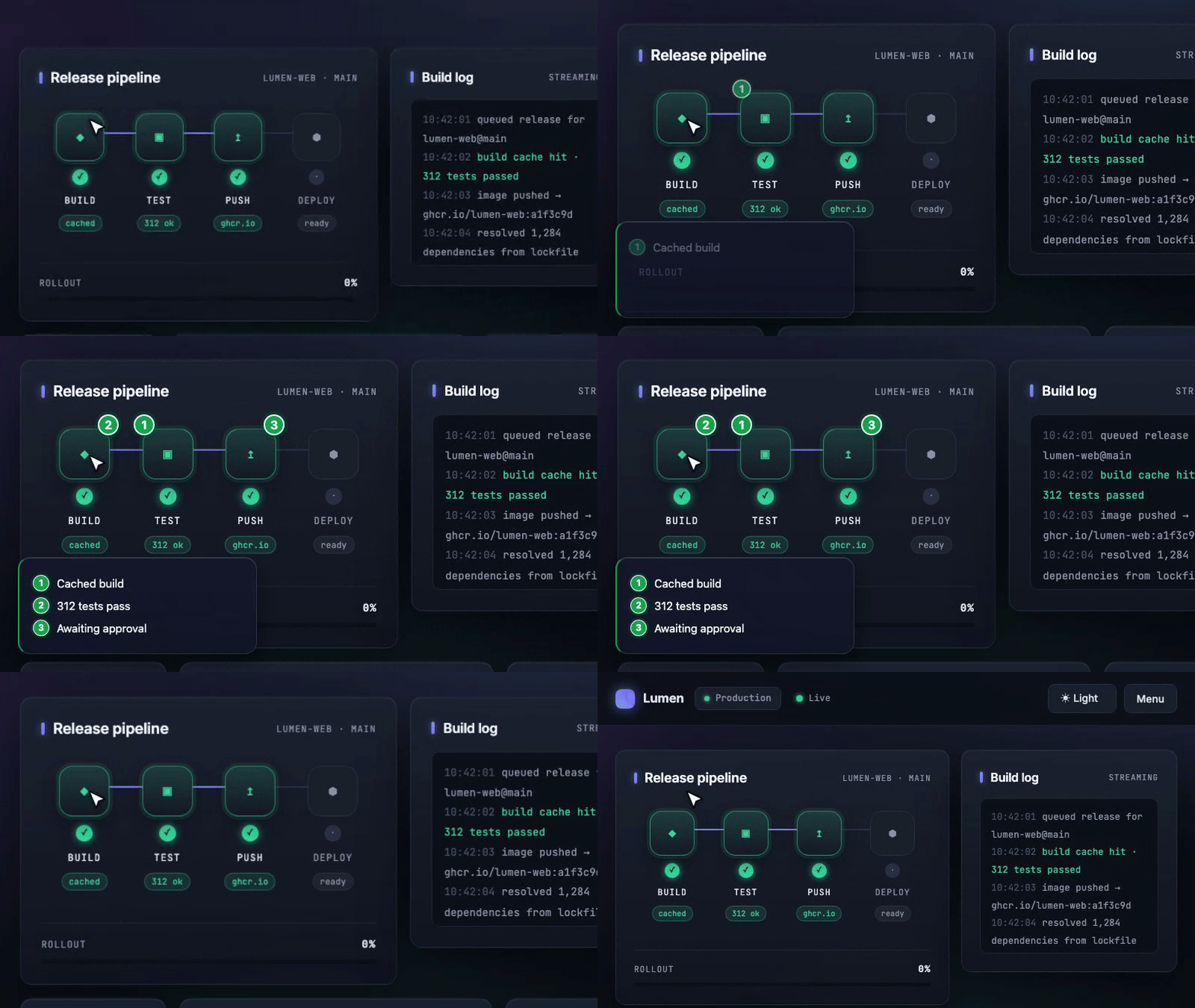 | 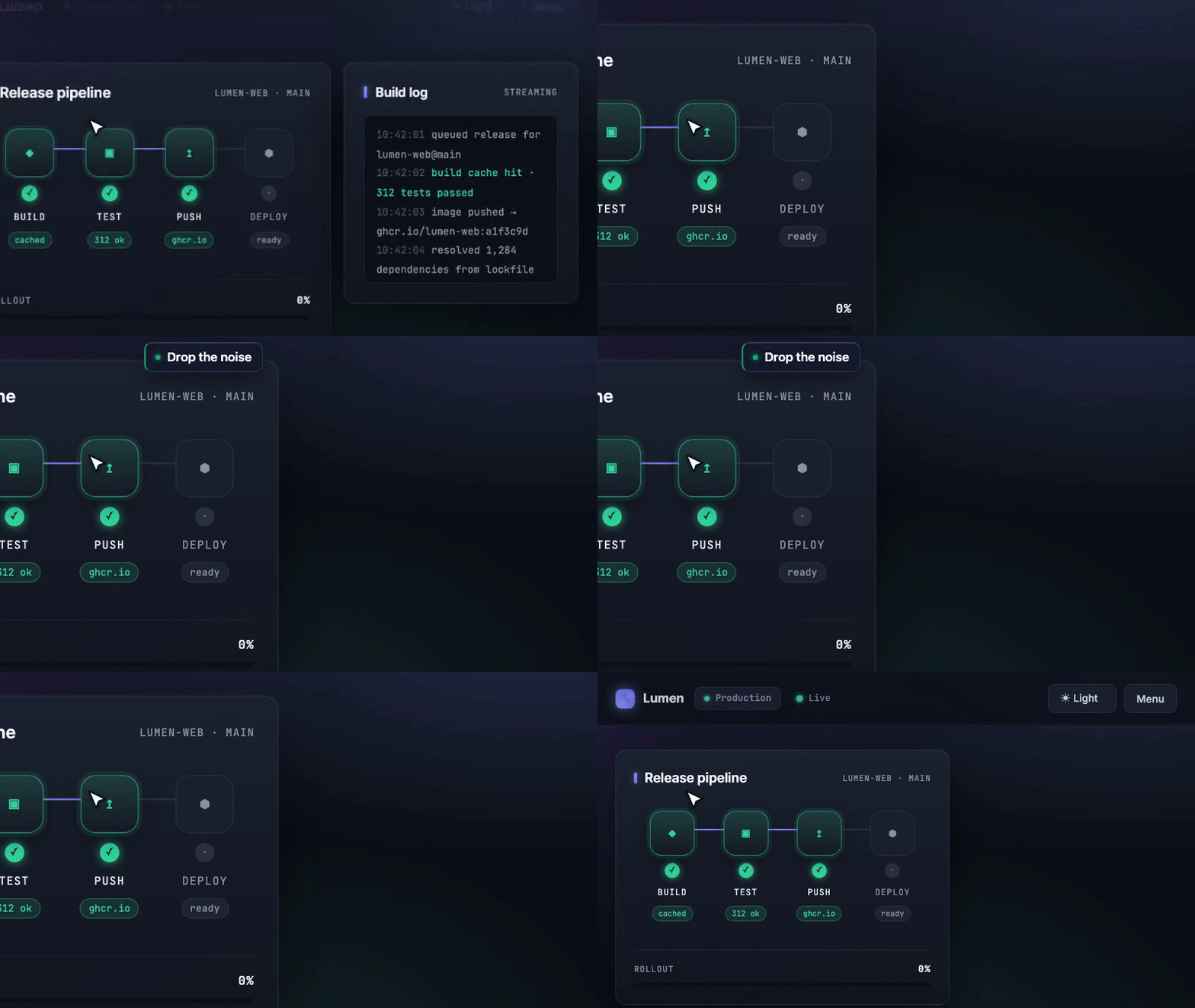 | 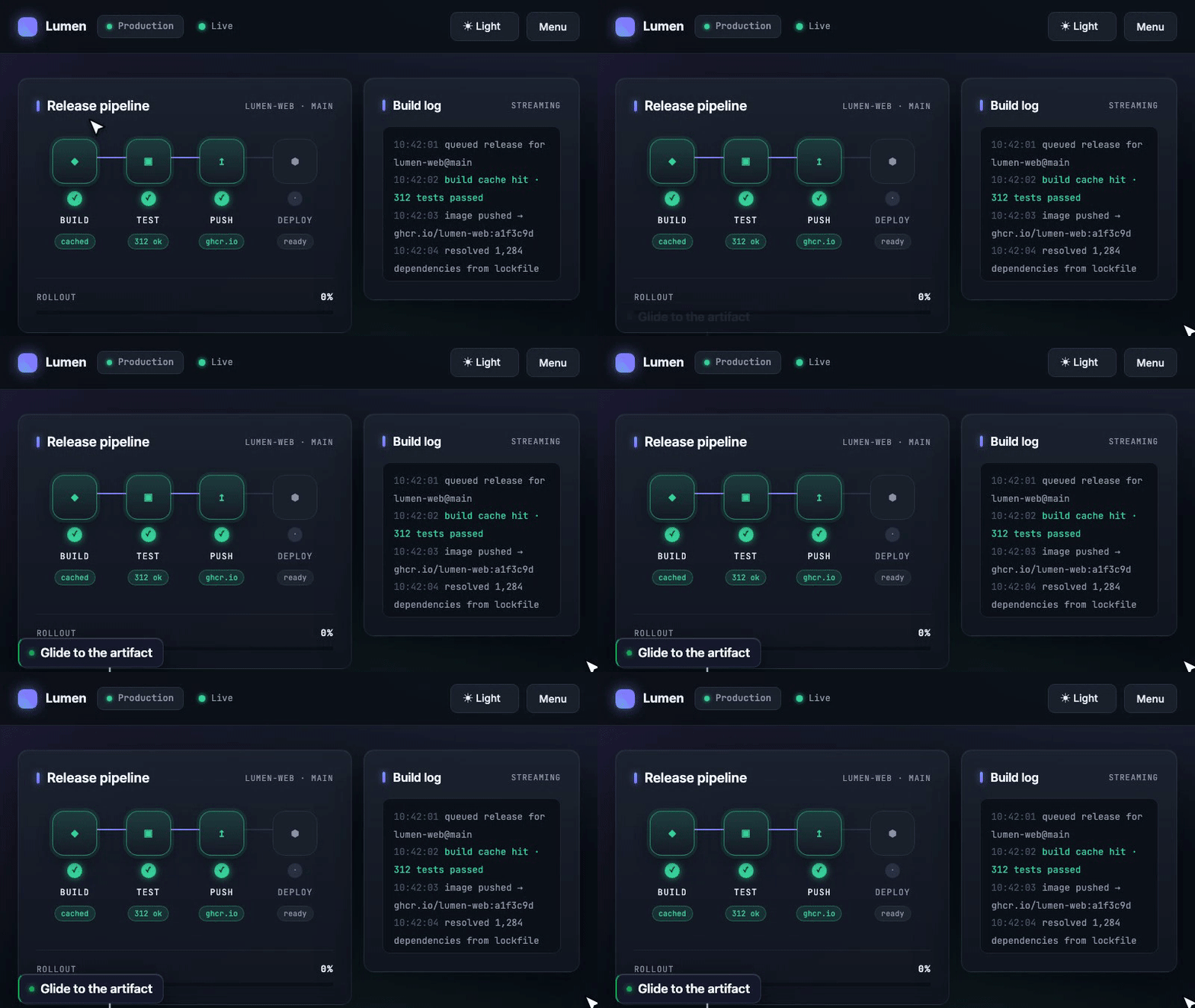 |
| glossary — badge legend panel | hide — drop an element | glide — animated scroll |
 |  | 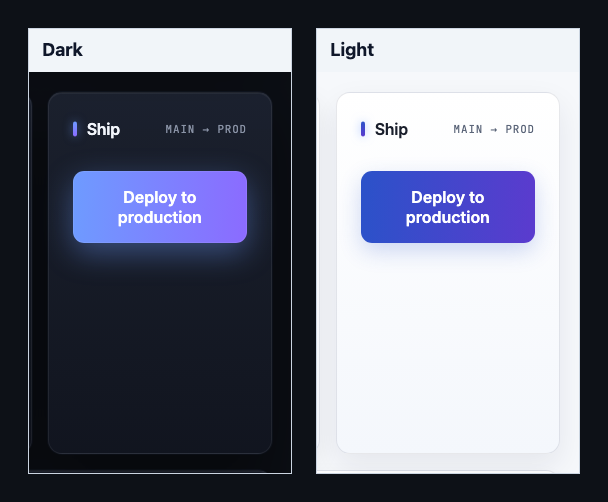 |
| compose — before/after (motion) | tape — terminal capture | compose — before/after (static) |
Live elements & state — a panel that grows in place, plus the full motion/state kit:
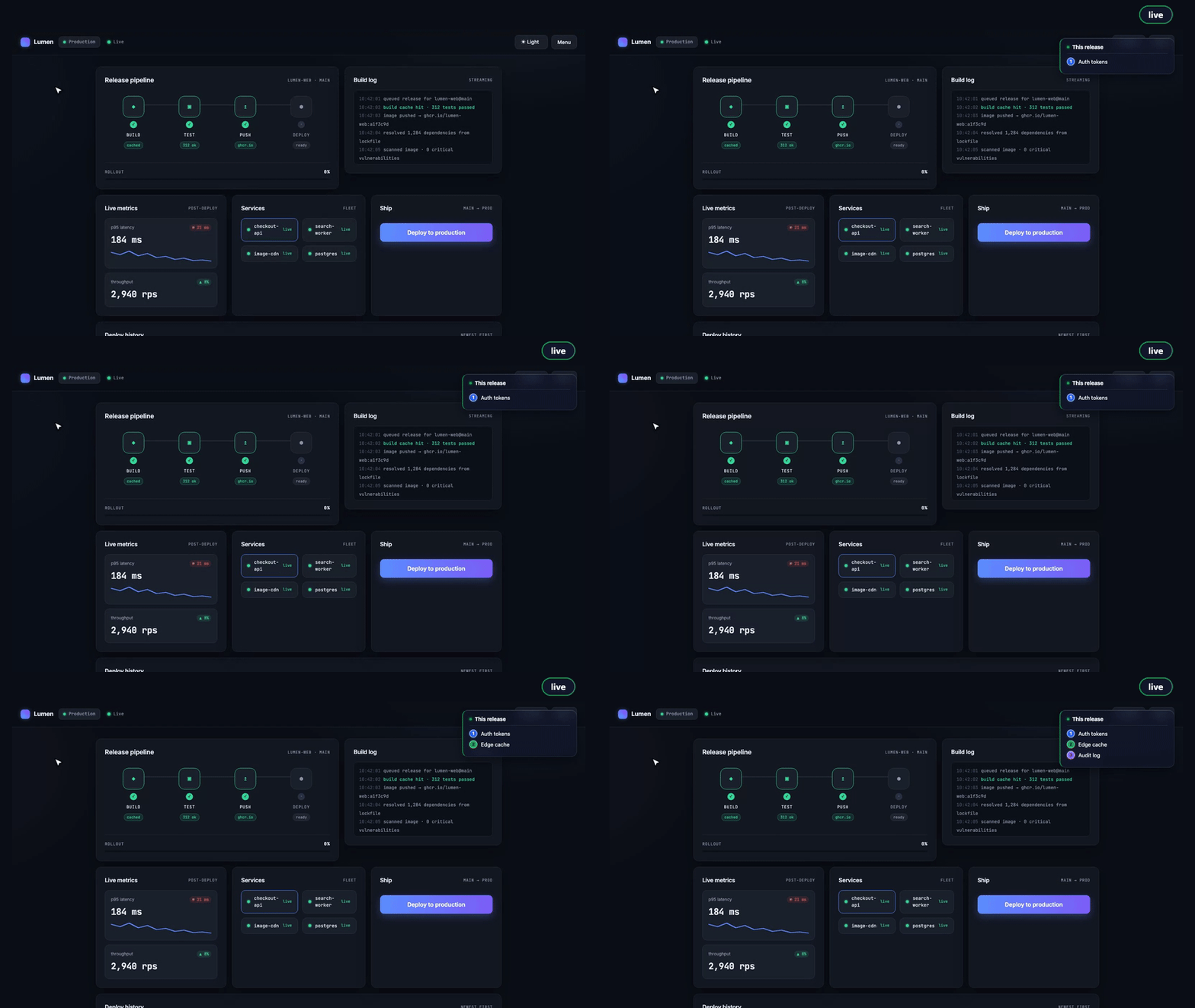 | 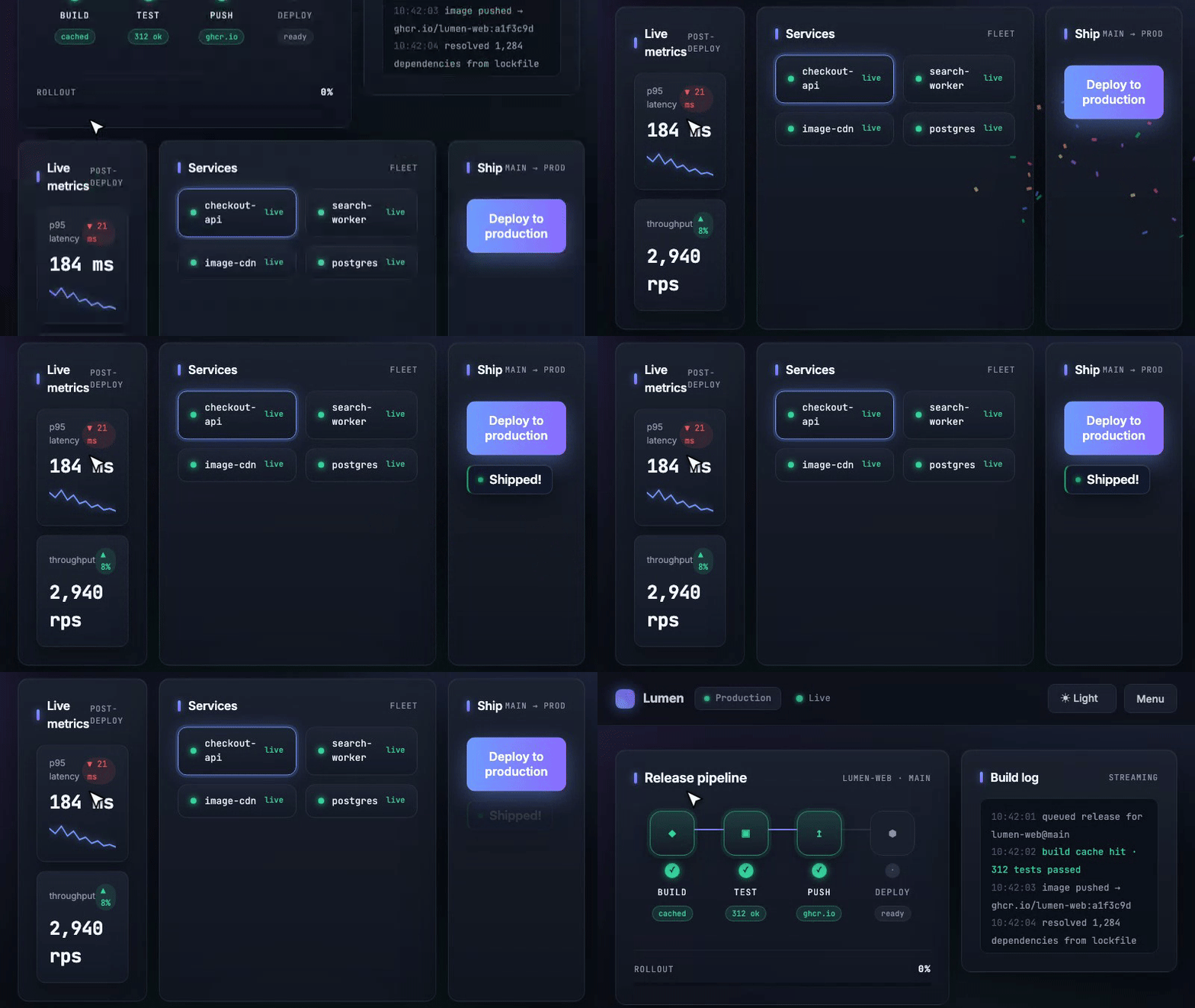 | 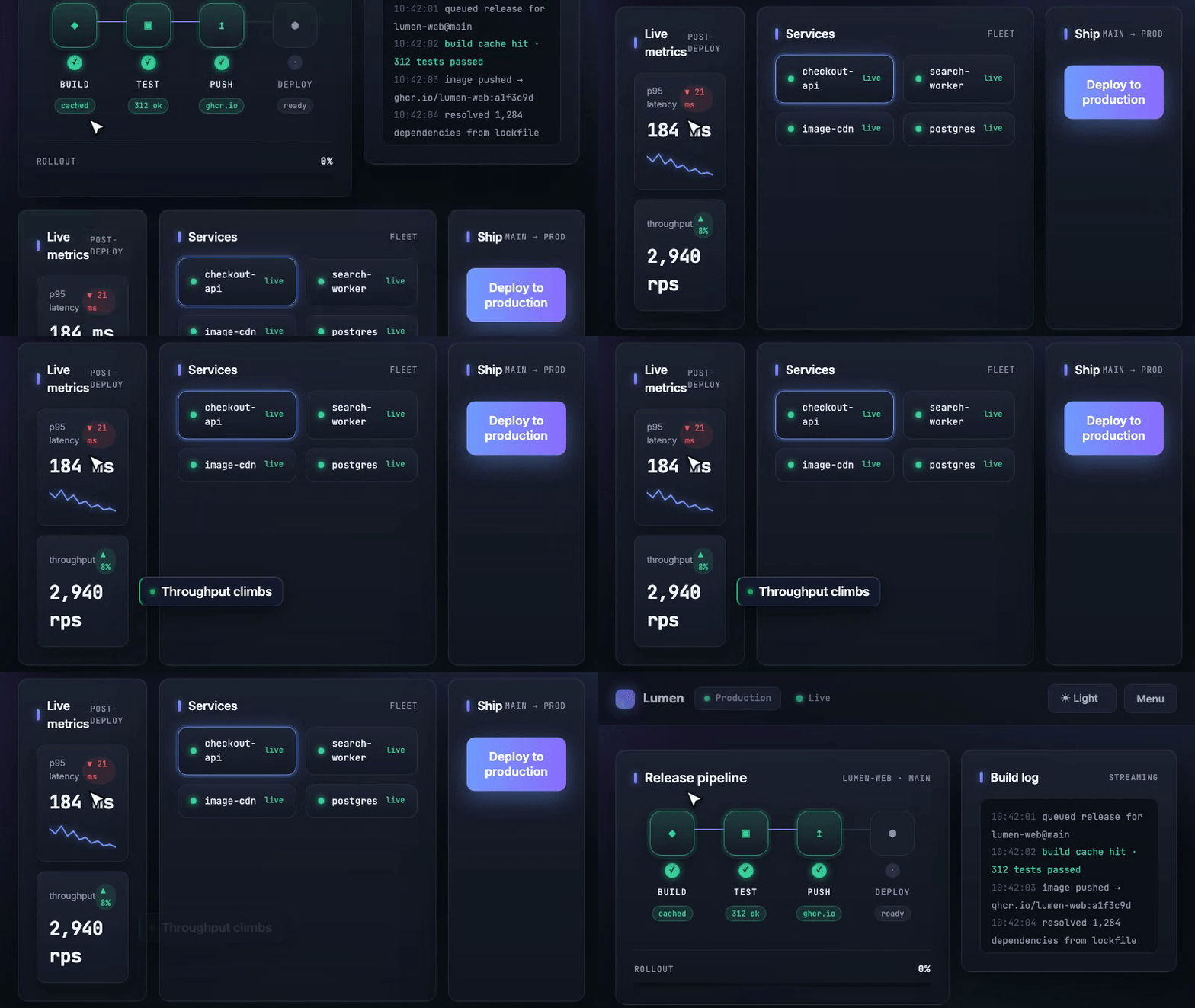 |
| live — append rows in place | confetti — celebrate a success | countup — roll a number up |
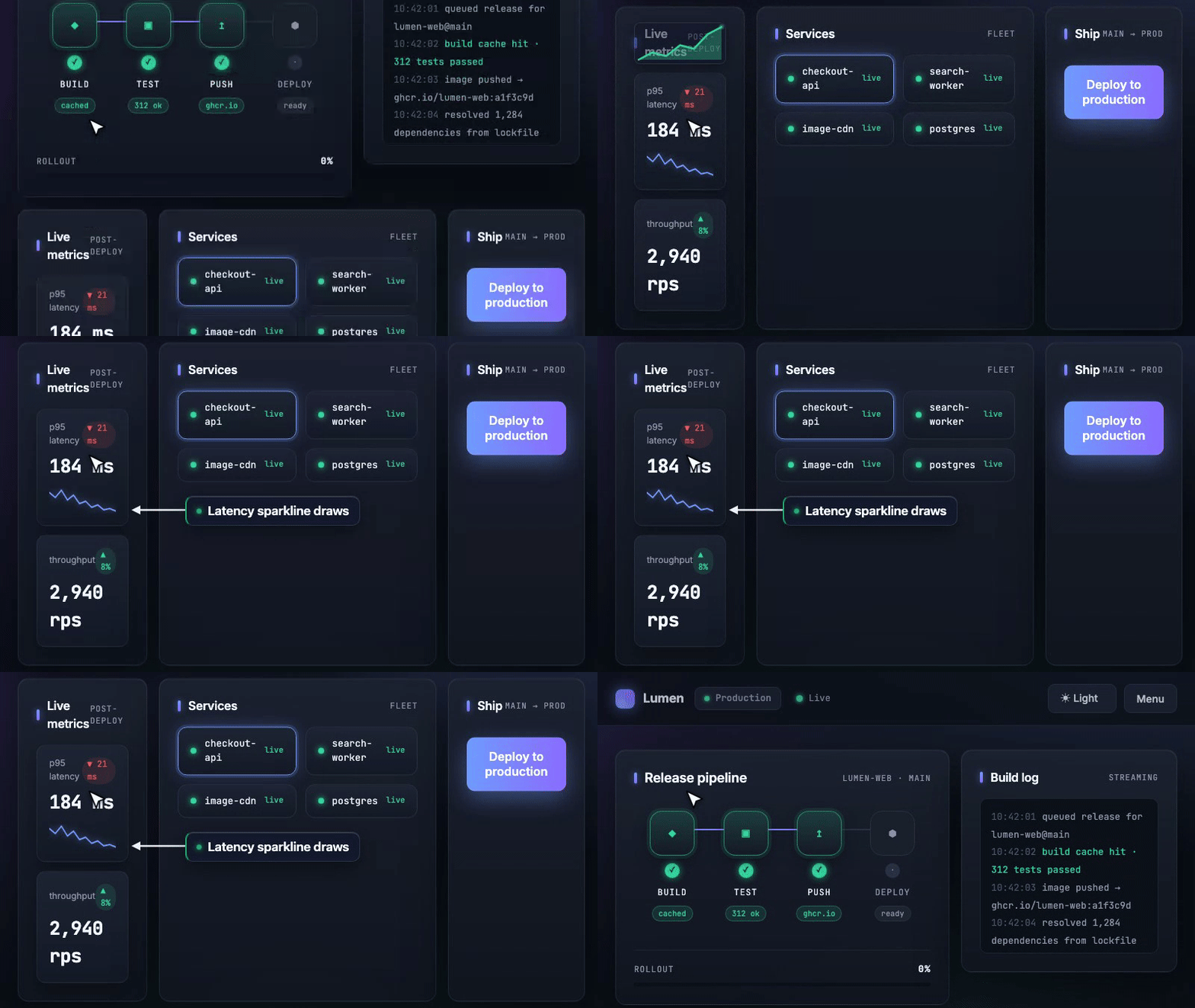 | 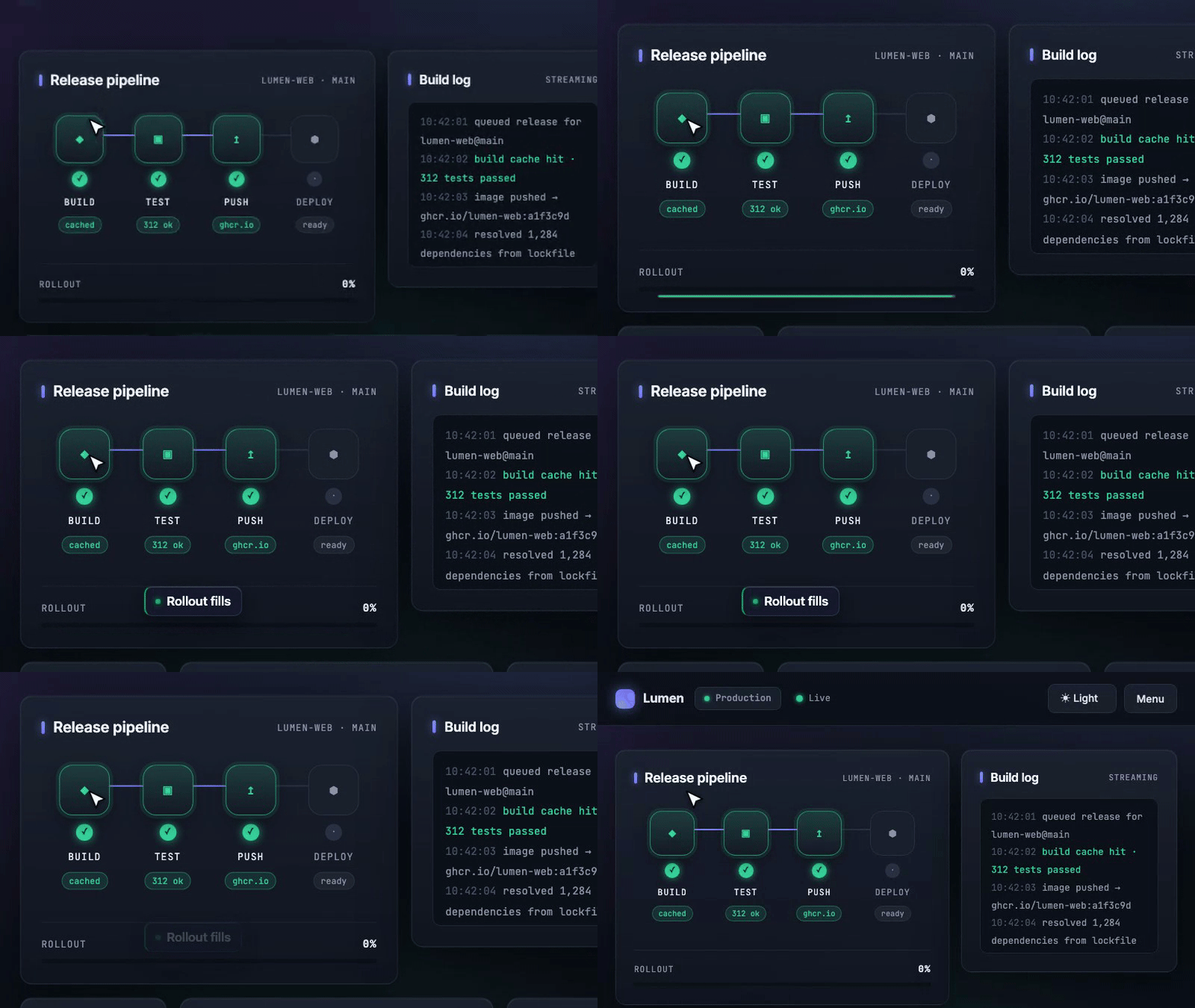 | 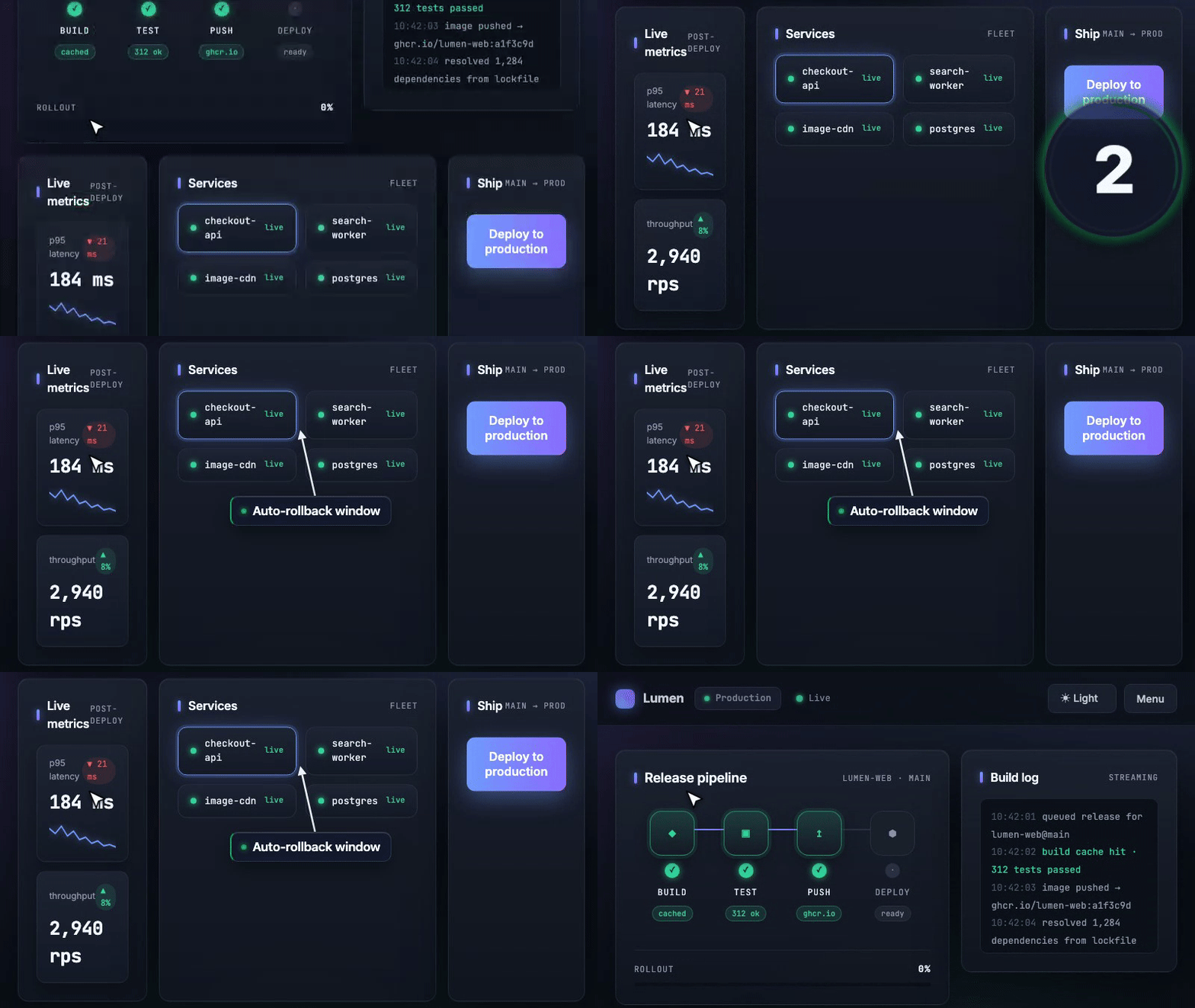 |
| sparkline — draw a trend | progress — rollout bar | countdown — ticking pre-action |
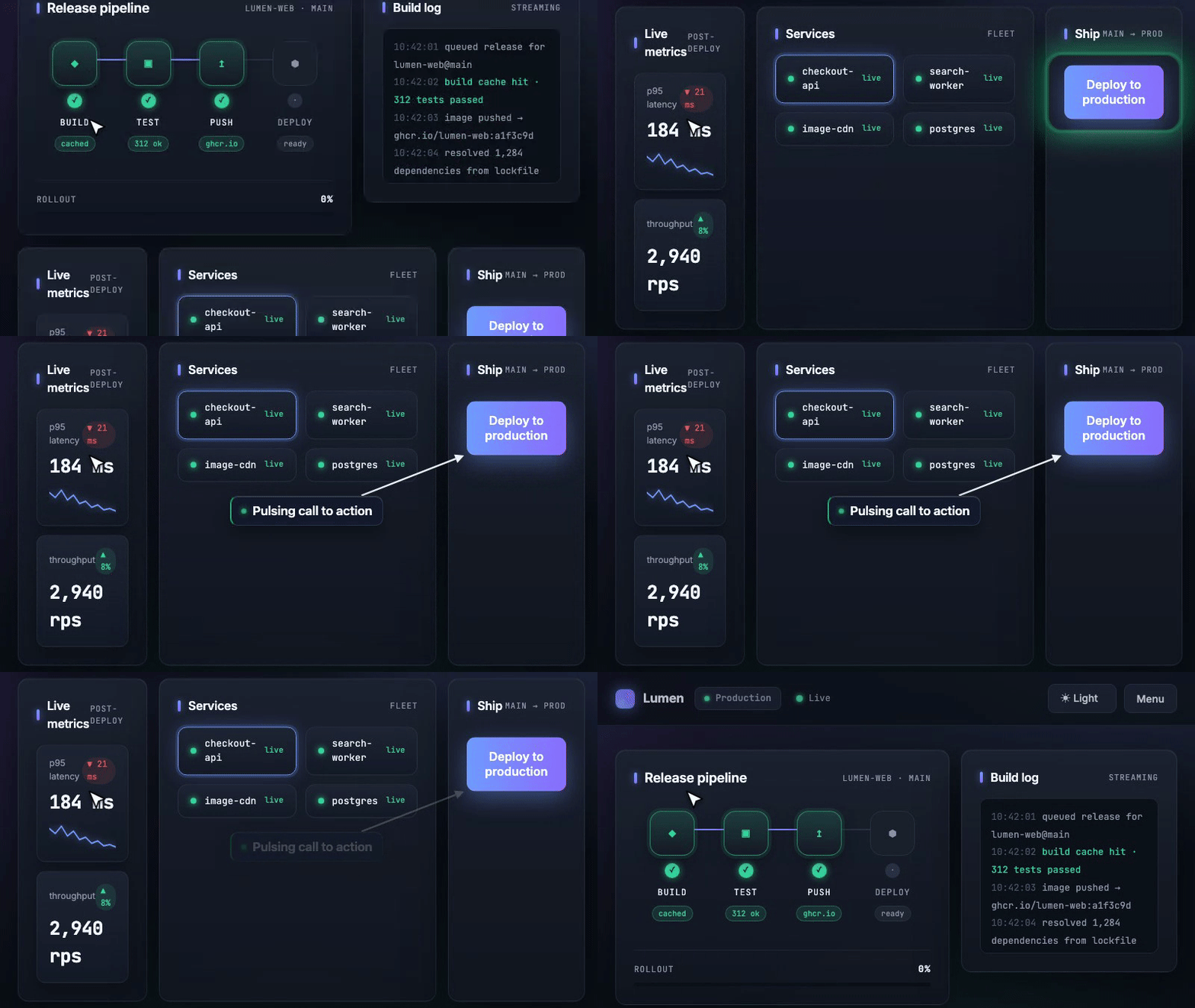 | 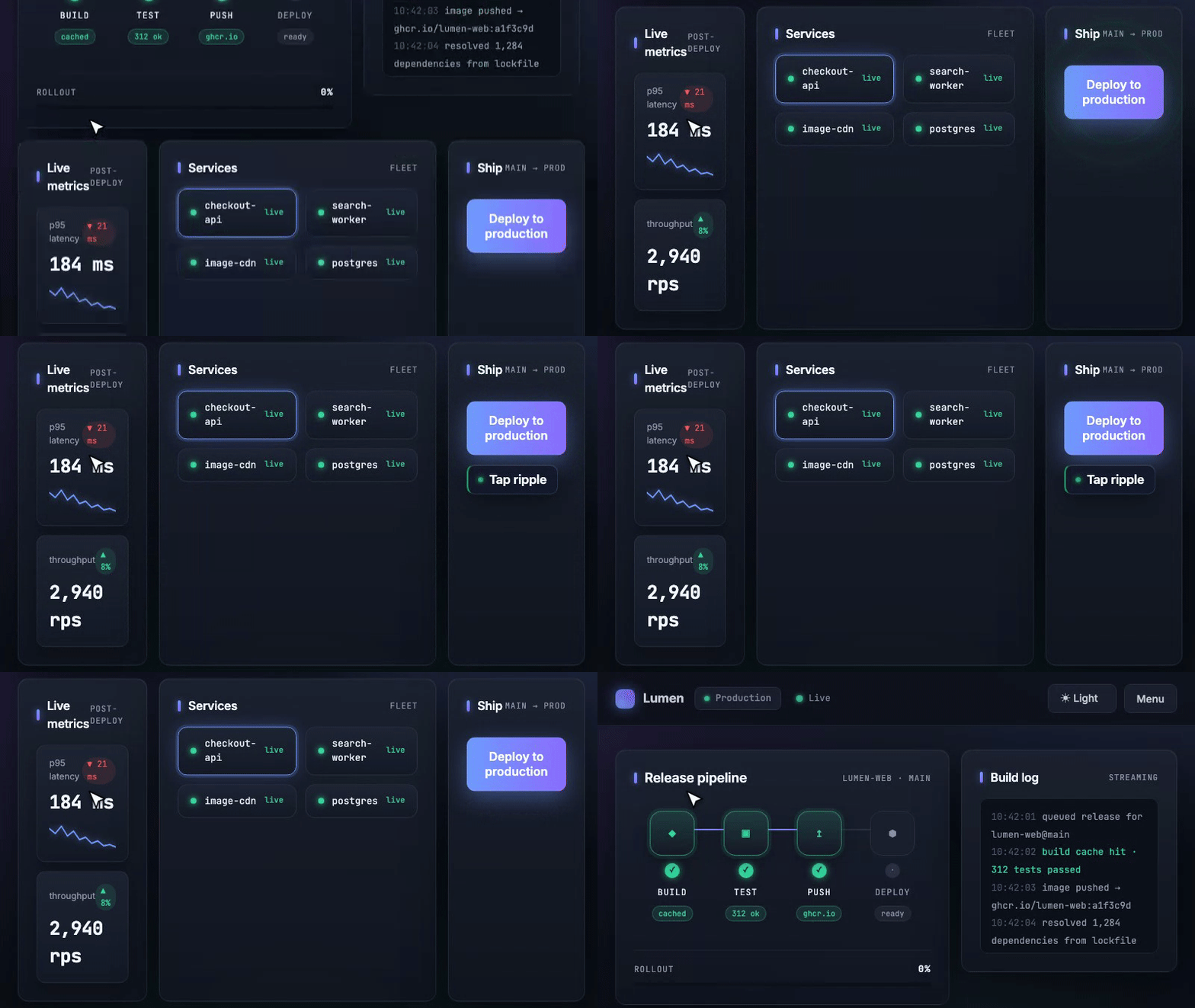 | 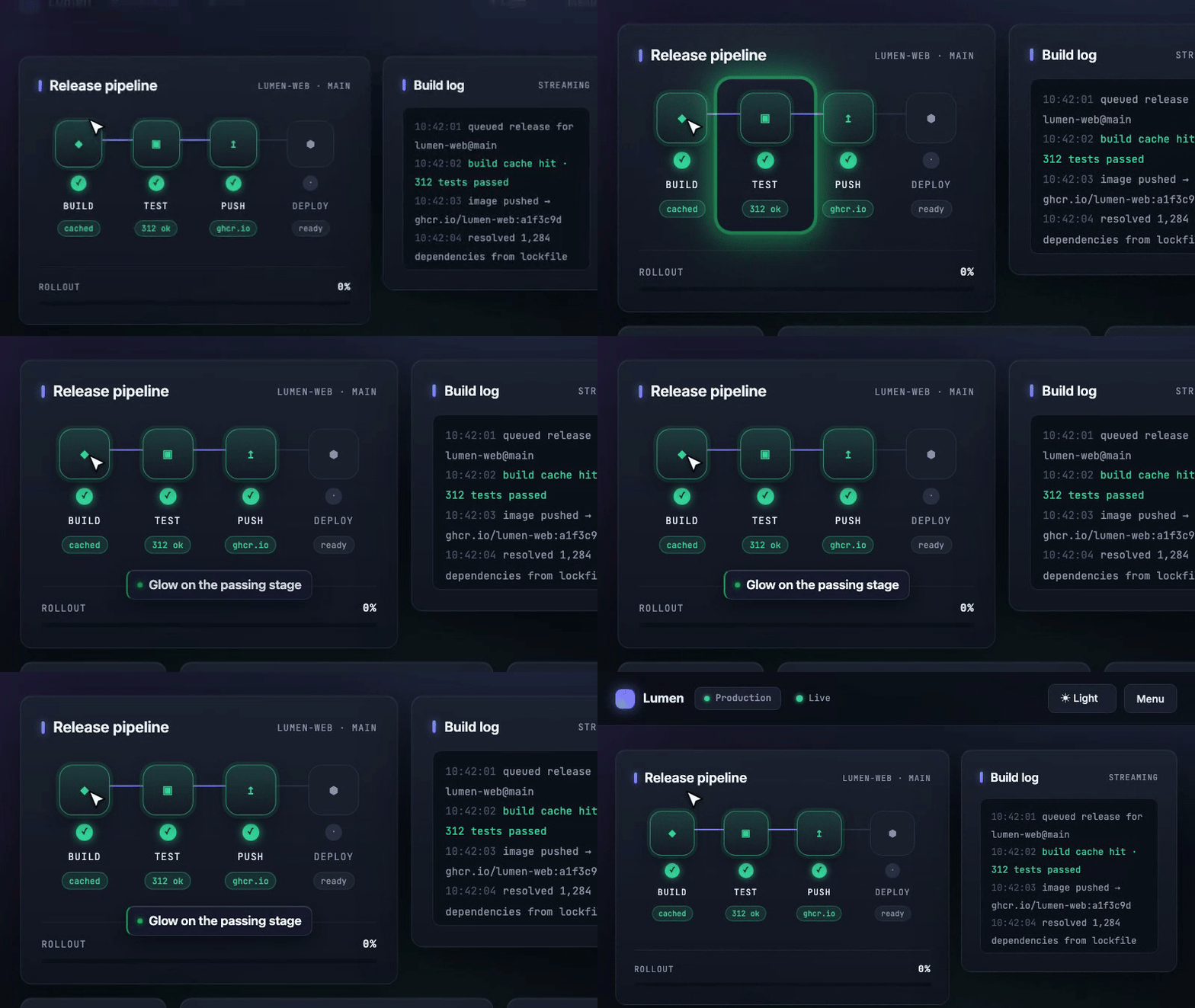 |
| pulse — attention ring | ripple — tap feedback | glow — active emphasis |
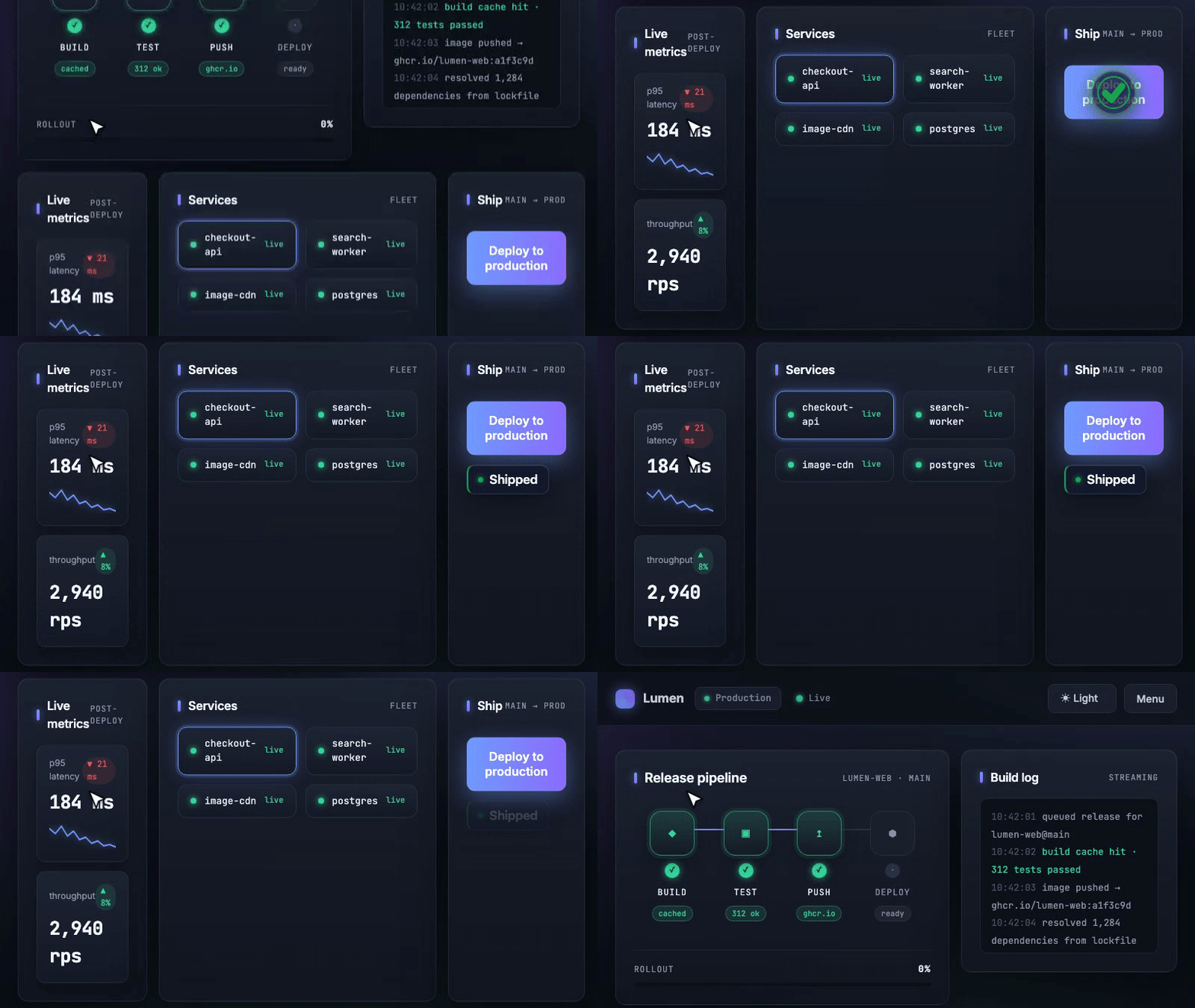 | 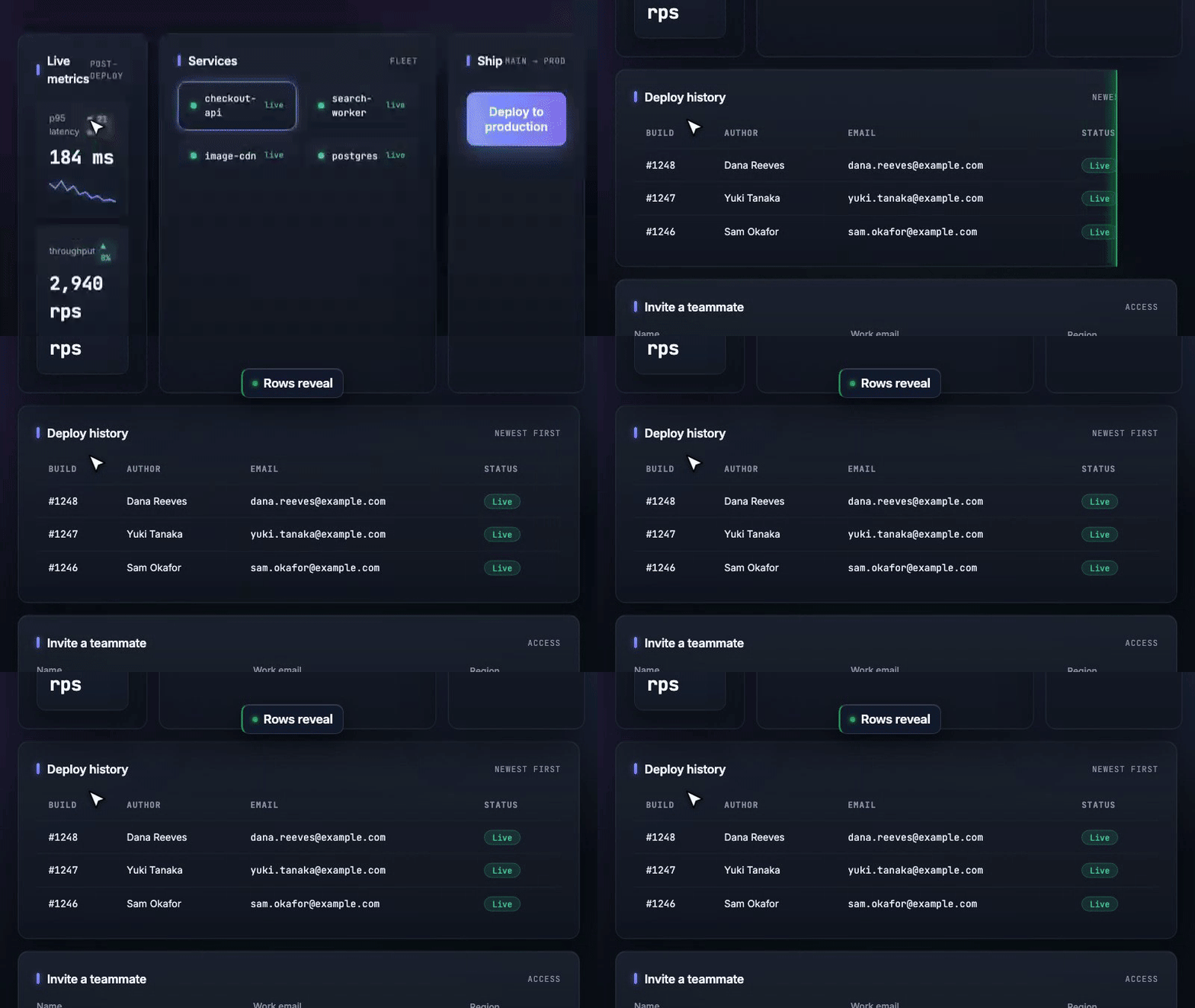 | 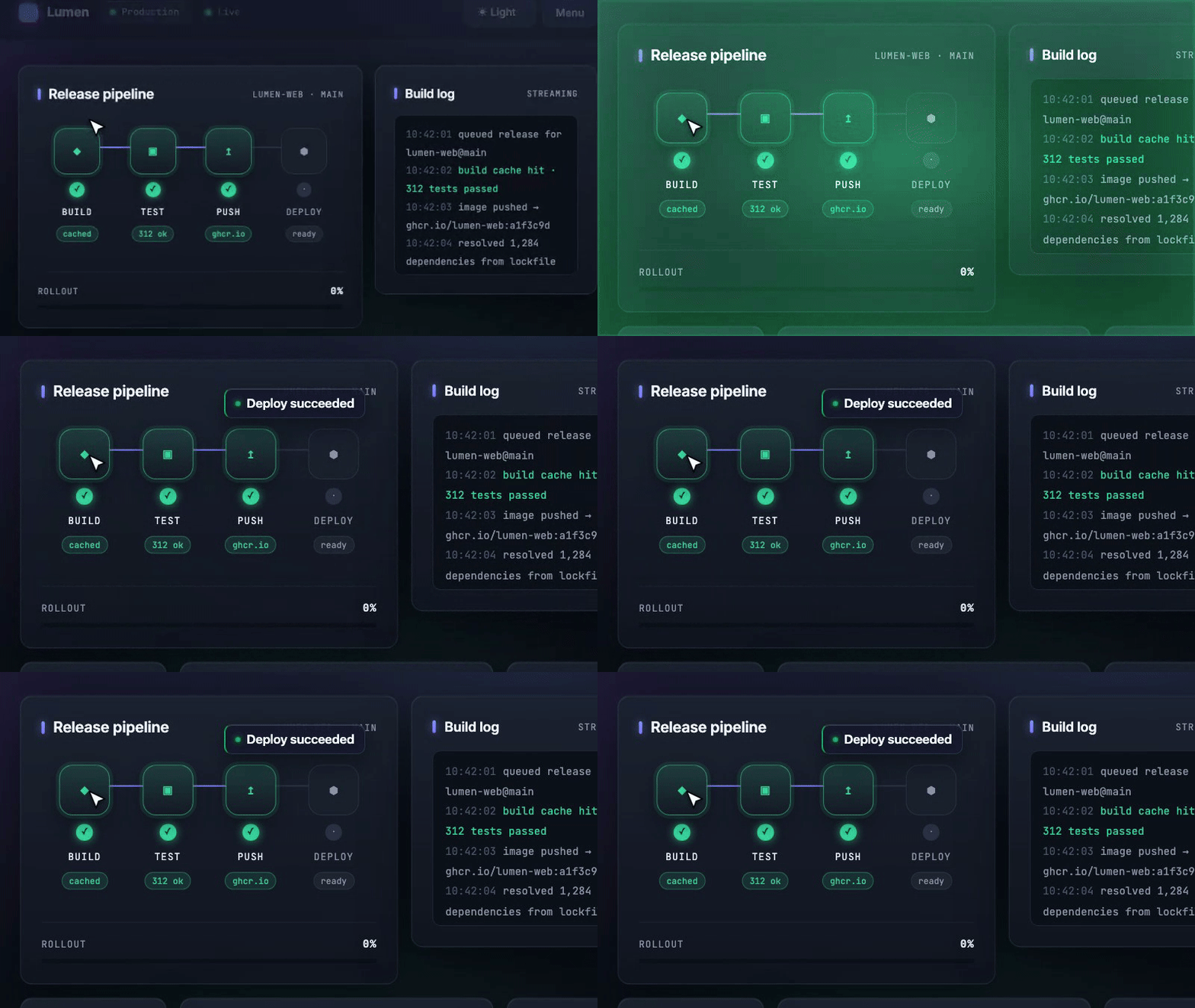 |
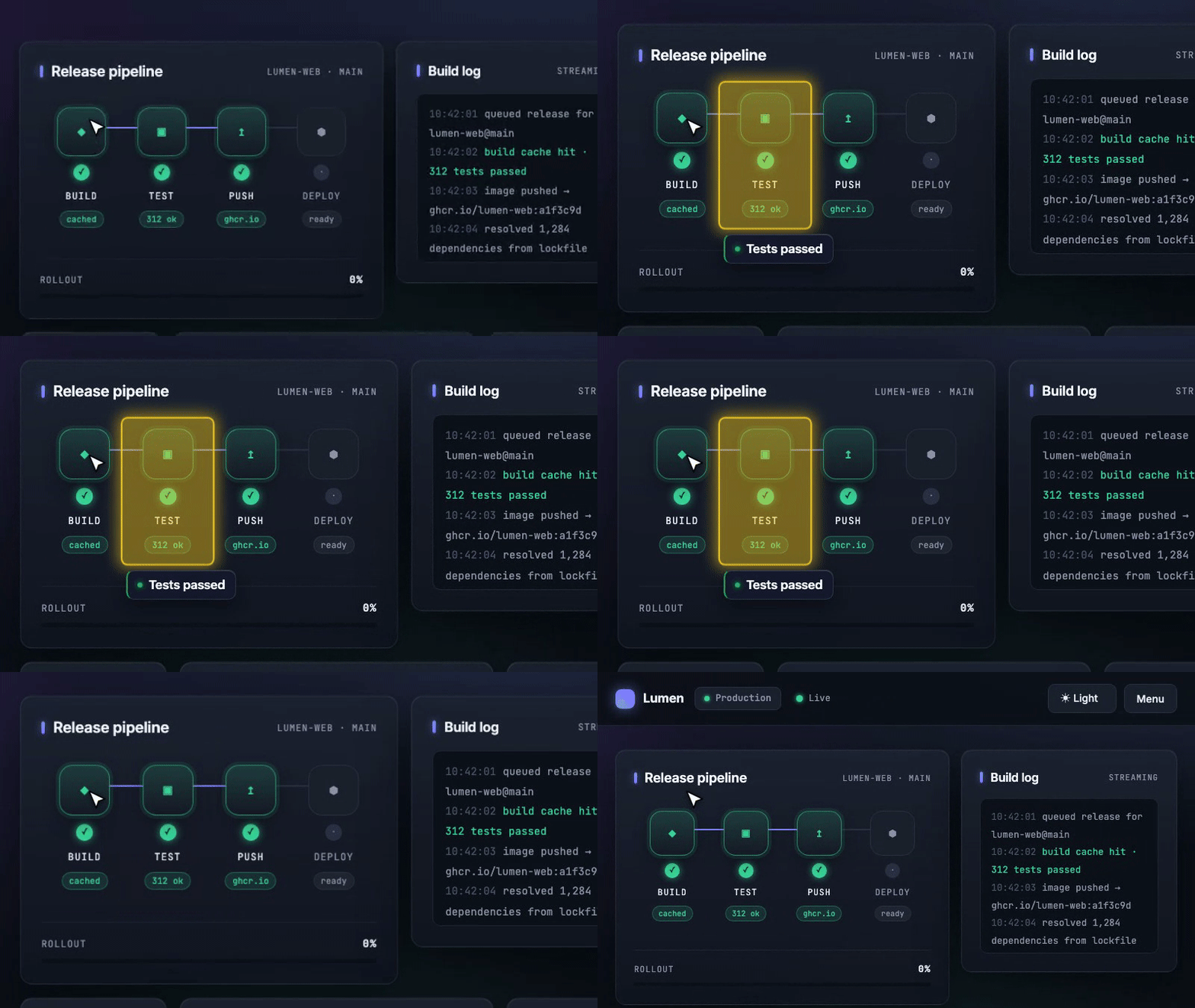
| checkmark — stage done | reveal — new content enters | flash — status blink |
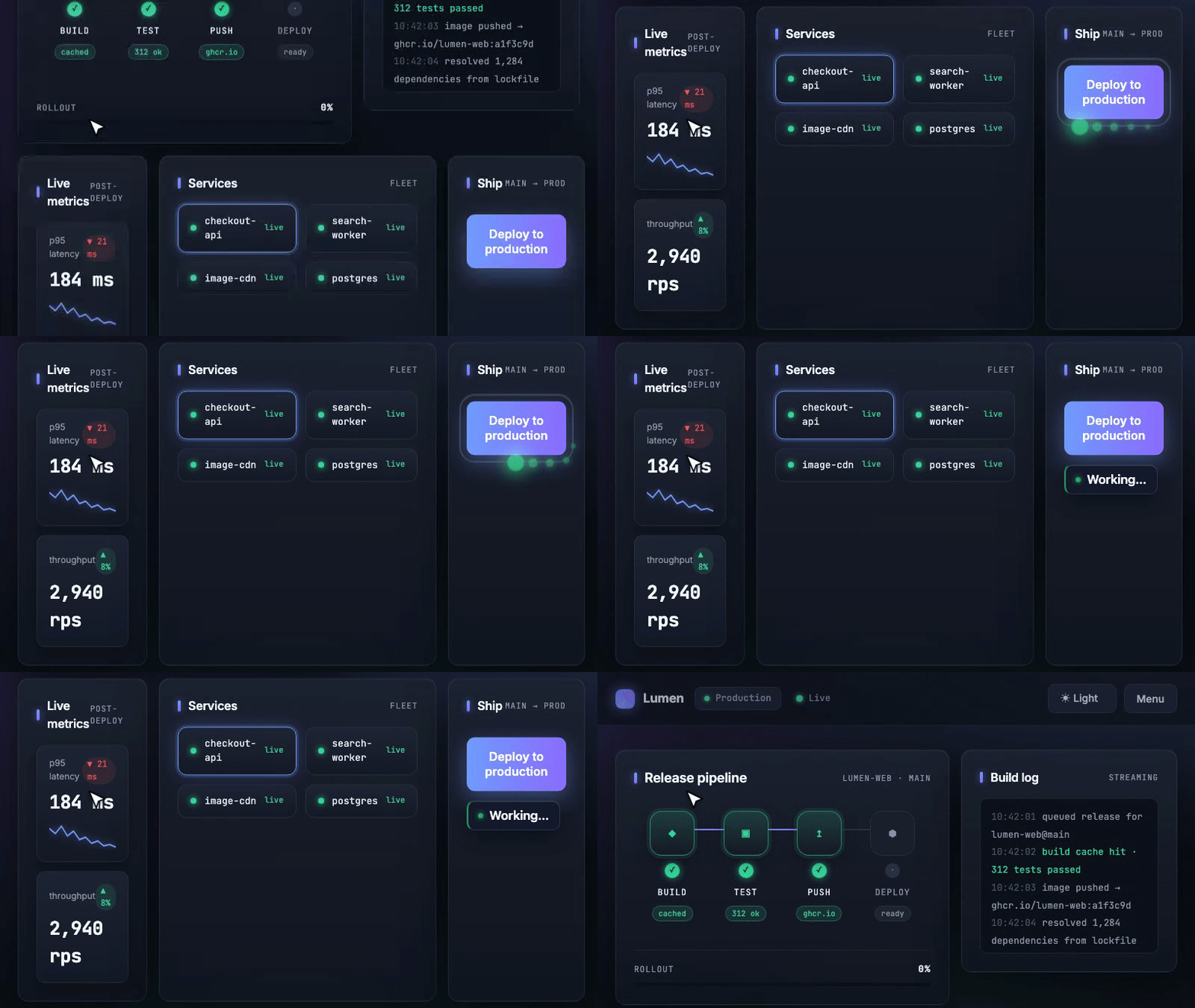 | 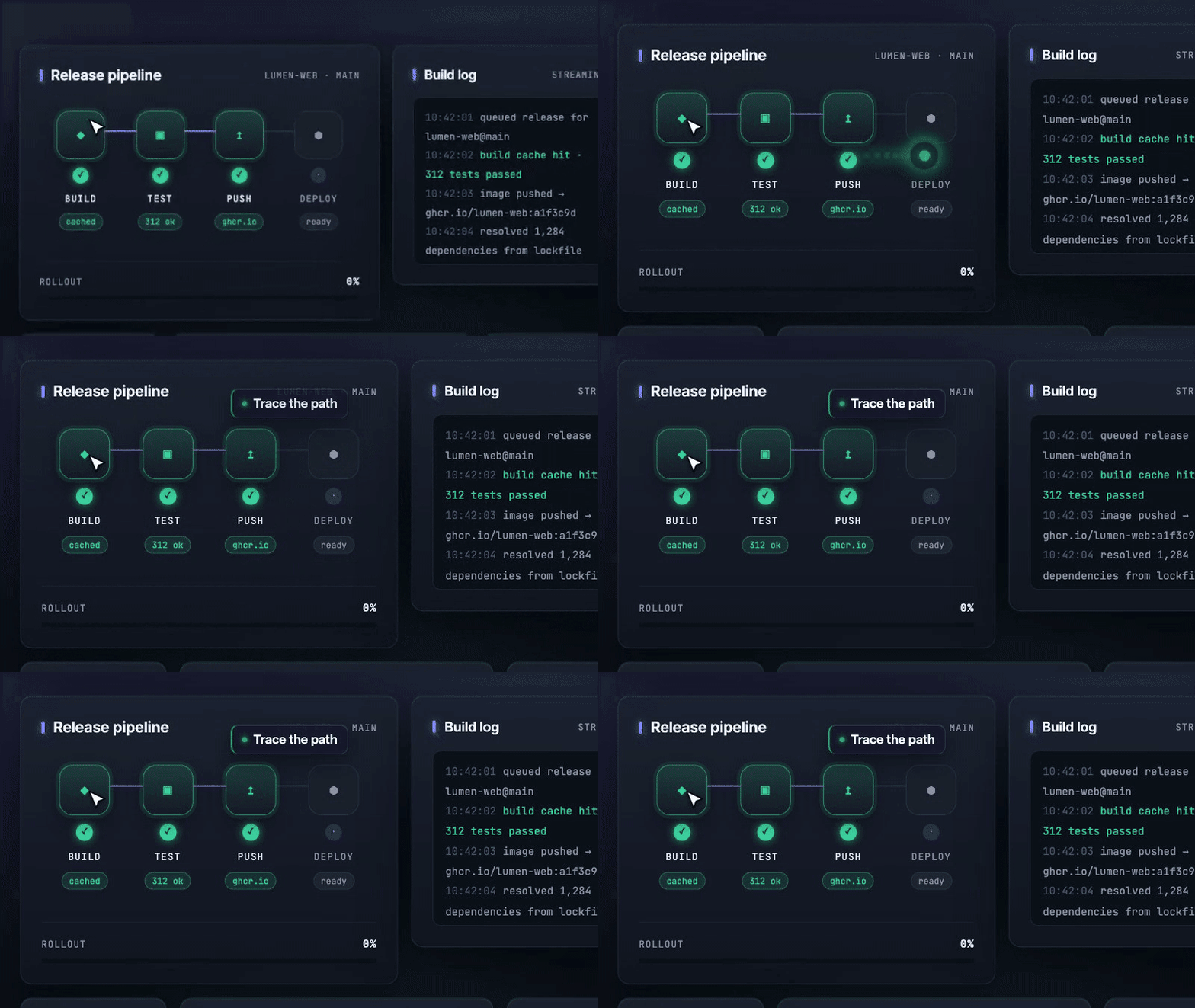 | 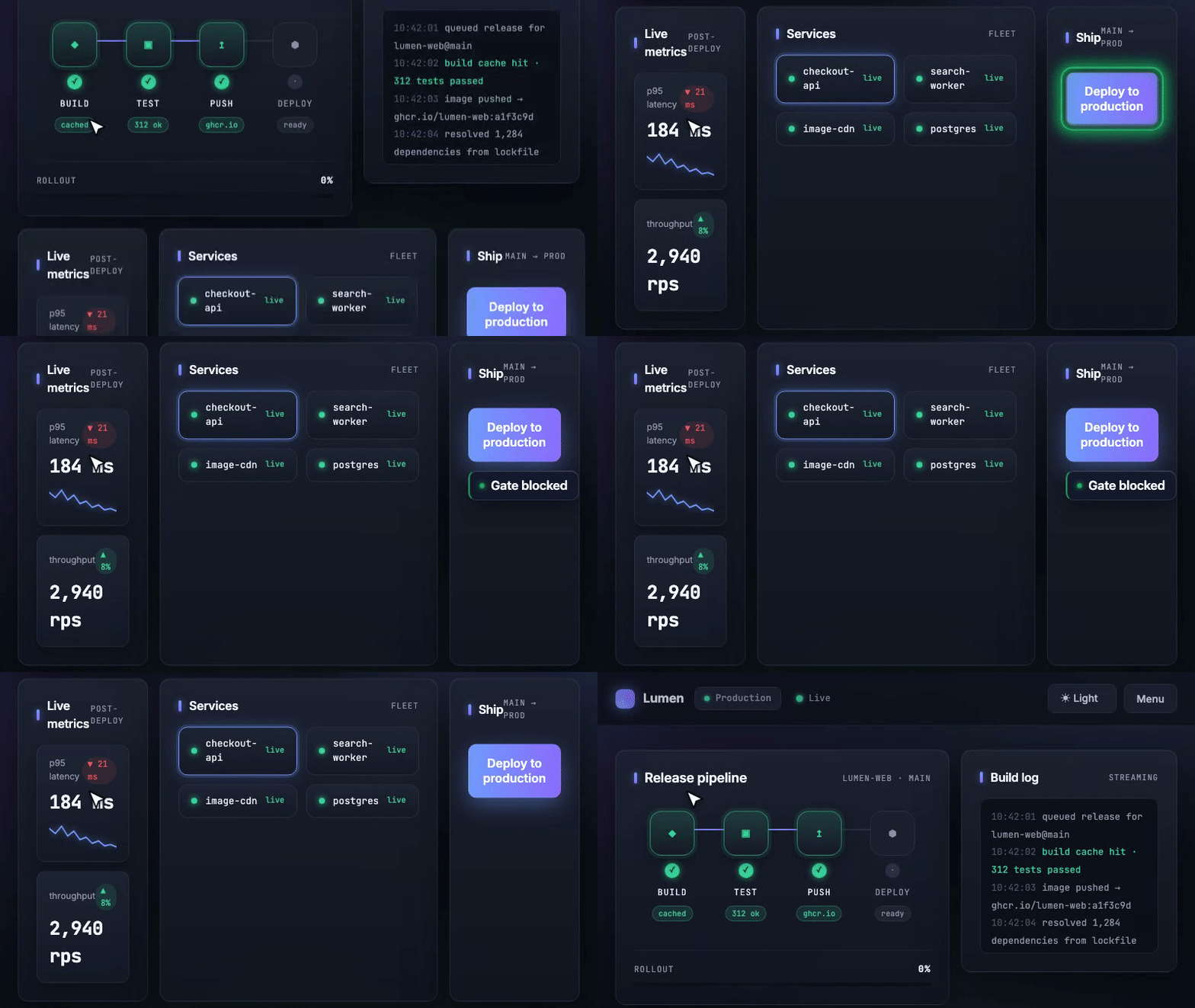 |
| orbit — working spinner | trail — A→B connector | shake — blocked/error |
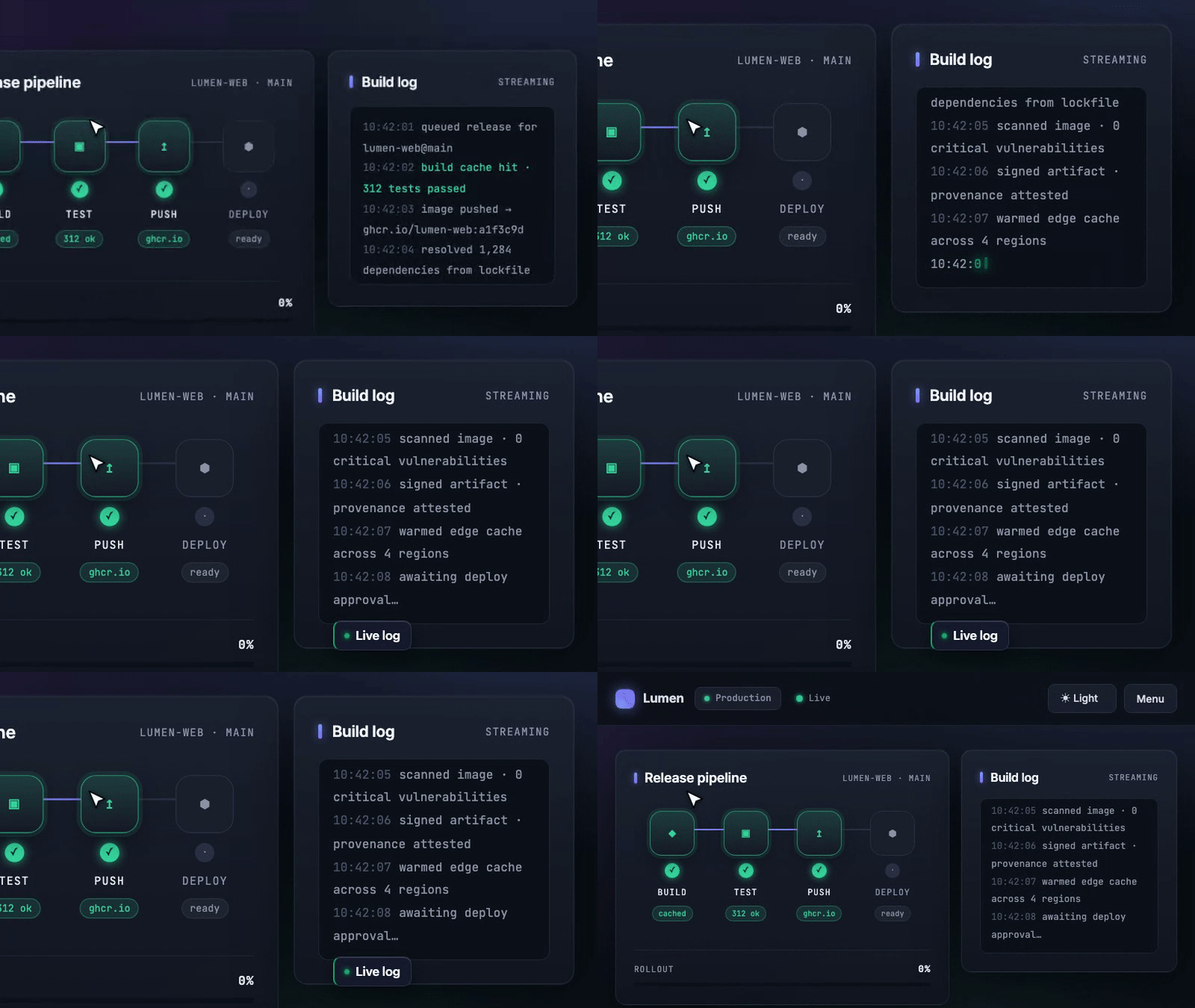 | 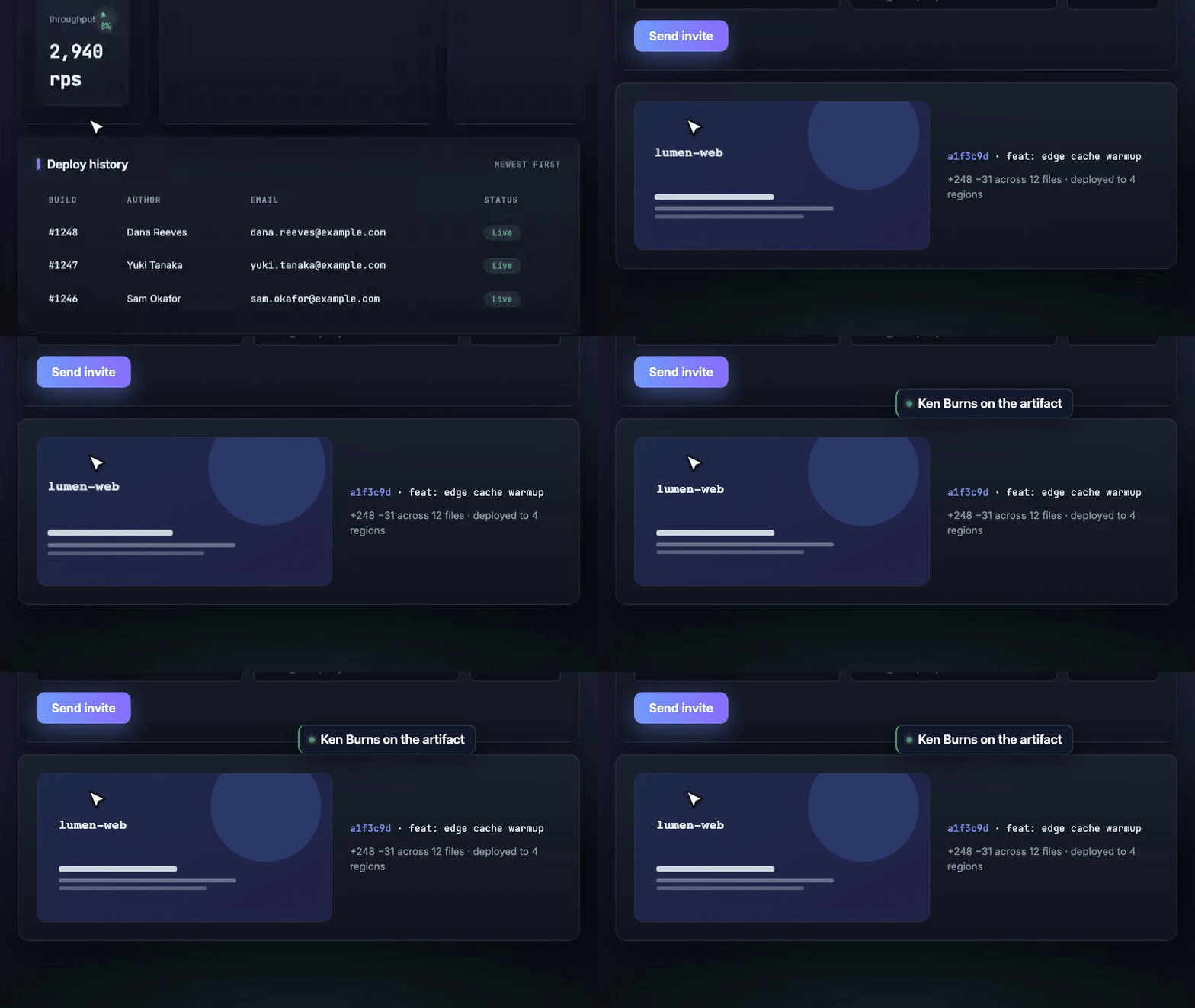 | 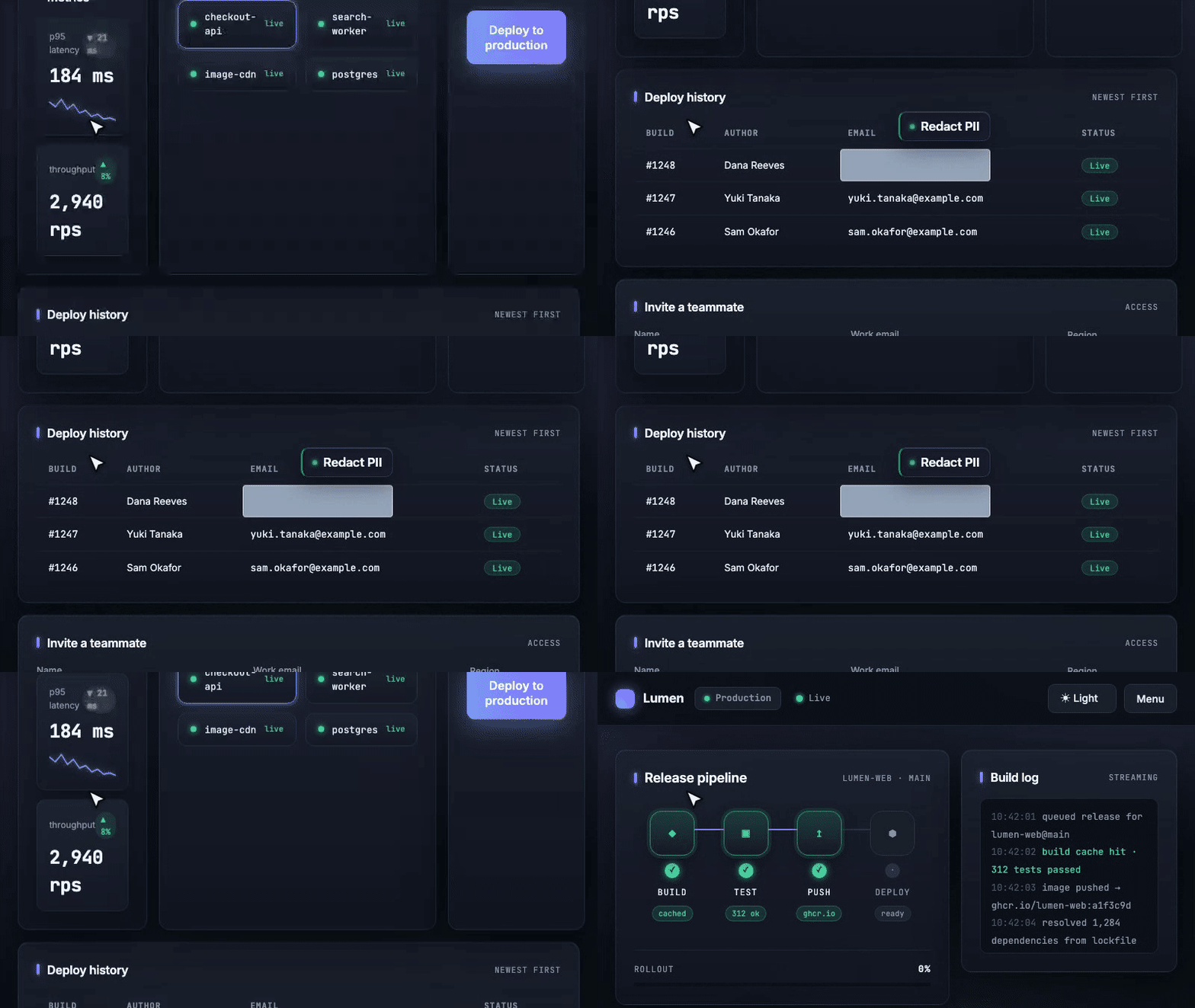 |
| typeon — streaming text | kenburns — slow zoom | redact — hide sensitive data |
 | ||
| highlight — marker swipe |
Annotation primitives (demo.mjs)
Eight callout styles, one concept per image — all eight from a single demo --batch launch:
File tree
FAQ
showreel is a Claude Code plugin with 2 hand-picked skills for content work, indexed on Flowy. Install it with the command on its page. It includes guide, showreel. Its skills do not fire on their own yet. Request auto-invocation to have Flowy route them as you prompt. Free and open source.
- What is showreel?
- Turn a URL + CSS selectors into a finished visual — annotated screenshots, flow GIFs, smooth-motion recordings and terminal captures. One command each. The agent never guesses pixels; every output is pixel-verified before it's saved.
- How do I install showreel?
- Run these in Claude Code: /plugin marketplace add HeyRenan/showreel then /plugin install showreel@showreel. Then prompt normally.
- Does showreel auto-invoke its skills?
- Not yet. It is indexed on Flowy as a plain plugin. Request auto-invocation on its page and Flowy will route its skills for you as you prompt.
- Is showreel free?
- Yes. Flowy is free and open source, with nothing gated. You can read every skill in full before you install.
Is this plugin yours?
Claim it with GitHubSubmit a pluginPromote it